Skip to content
HES.
Contact Us
Solutions
Clean WaterControl pathogens, biofilm and cost where conventional treatment failsAir & Infection ControlReduce airborne pathogens and infection risk, with no ozoneEnergyCut energy and recover it from the systems you already runAgriculture & SoilUse less water and fertiliser while protecting yield and soil
Sectors
Healthcare & HospitalsKeep patients safe and your accreditation secure, with infection, Legionella and AMR risk reducedWater & WastewaterStay in consent, and cut the energy and chemicals it takes to get thereCommercial & FacilitiesMeet your EPC and disclosure obligations while running cost and carbon fallAgriculture & Urban FarmingProtect your yield and soil while using less water and fertiliserLocal AuthoritiesMove your estate towards net zero with compliant assets, funded to saveEmerging MarketsBuild investable, accreditation-ready infrastructure on reliable water, sanitation and powerHotels, Hospitality & LeisureKeep guests safe and pools open, with Legionella risk controlled and pool-hall cost cutData CentresCut the cost and water your cooling burns, and harden Legionella control, without touching uptimeFood & Beverage ProcessingCut your trade-effluent bill and hold consent, without touching food safety or uptime
Tools
Where You'd Gain MostPick your sector and what is driving you, and see where you would gain and where to startTrade Effluent Bill EstimatorEstimate your annual trade-effluent bill and see how much is driven by strength, the part you can reduceWater Safety Risk ScorecardAnswer eight quick questions and see your indicative Legionella and waterborne risk band, and where to startCompliance Readiness CheckerPick the duty you answer to, from Legionella to net zero, and see your readiness band and the gaps to closeAeration Energy Cost CalculatorSize the annual energy, cost and carbon of aeration, the single largest energy load in wastewater treatmentCooling Tower Water & Cost CalculatorEstimate the annual water and chemical cost of a cooling tower, and the share that treatment can reduce
Case StudiesInsightsAbout
Contact Us
Agriculture & Urban Farming

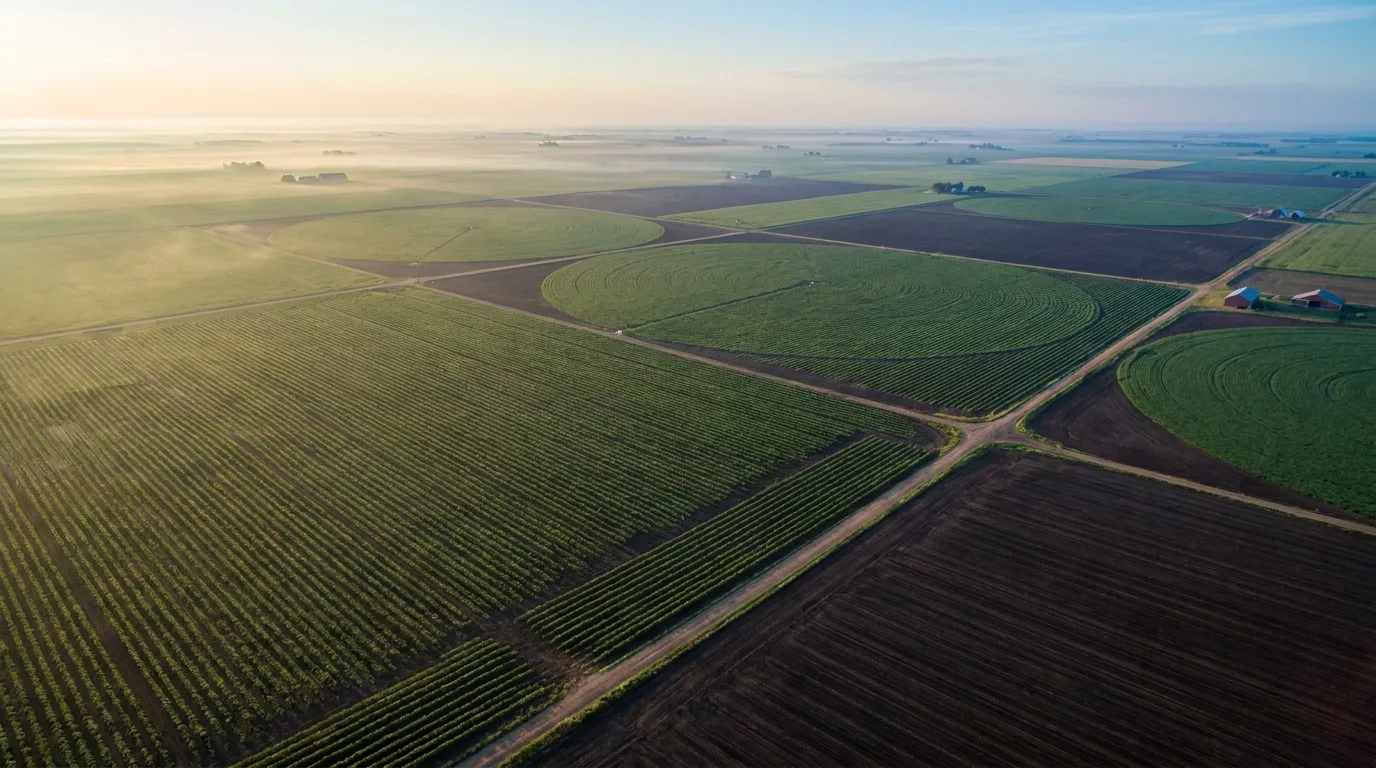
Protect your yield and your margin, while using less water and fertiliser.

Input costs are up 44% since 2019, nitrogen fertiliser is entirely imported, and water is becoming a hard limit on what you can grow.

We help you cut water and fertiliser inputs while protecting yield and building soil health, with results proven in independent university and field trials.

Independent university field trials recorded around 26% less irrigation water with no loss of yield.

The challenge

Inputs keep rising, water is running short, and margin is caught in between

Growers are being asked to hold yield and quality while the two biggest variable costs, fertiliser and water, get more expensive and less certain to obtain.

Farm input costs are up 44% since 2019, and the UK has no domestic buffer on nitrogen fertiliser, so the bill, running at GBP 1.4 to 2.0bn a year, tracks the gas price with nowhere to hide. Margin is the first casualty.

Water is becoming a hard constraint, not just a cost. The Environment Agency projects a national shortfall of around 5 billion litres a day by 2055, recent droughts cost arable farmers roughly GBP 800m in lost production, and from 2028 abstraction licences convert to environmental permits that can be reduced or revoked.

On top of the cost, nutrient and water rules (the Farming Rules for Water, nitrate vulnerable zones, abstraction reform) tighten what you can apply and when. Doing more with less is now the baseline, not the ambition.

Our approach

How we cut inputs without costing you yield

We improve the biology of the root zone and the efficiency of every drop and every kilogram of nutrient, so you can lower water and fertiliser inputs while protecting yield.

Healthier root-zone biology and better water distribution mean the crop takes up more of what you apply, so the same yield needs fewer inputs, and stressed or high-response crops can yield more. It works with your existing irrigation and spray programme rather than adding a separate system to manage.

Because the gains are agronomic rather than chemical, they also build soil health and support your water-stewardship and nutrient obligations over time. The results are documented in independent university and third-party field trials, not just claimed.

What you get

Lower inputs, protected yield, healthier soil

Cost

Use less irrigation water

Cut irrigation demand through better distribution and root-zone biology, with around 26% less water recorded in independent university trials and no loss of yield.

Cost

Cut fertiliser inputs

Improve nutrient-use efficiency so the crop takes up more of what you apply, enabling a substantial reduction in fertiliser and nitrogen inputs while holding yield.

Cost

Protect and lift yield

Stronger roots and better uptake protect yield, with a typical uplift of 10 to 25%, and up to around 90% in stressed or high-response crops in independent trials.

Cost

Keep irrigation lines clean

Reduce scale and biofouling in irrigation and fertigation lines without harsh acids or biocides, protecting flow, uniformity and maintenance budgets.

Obligation

Meet water and nutrient rules

Lower nutrient loss and water use in line with the Farming Rules for Water, nitrate vulnerable zones and abstraction reform, with measurable, certifiable results.

Cost

Build soil health

Substantially increase soil fungal and bacterial activity, the foundation of long-term productivity and resilience to drought and stress.

Evidence

Proven in independent university and field trials

Third-party measured, not vendor-claimed.

~26%Less irrigation water in independent university field trials, with no loss of yield (UC Davis)
$663/acreWater and energy savings per acre recorded in independent university vineyard trials (UC Davis)
10 to 25%Typical crop yield uplift from improved root-zone biology, up to around 90% in stressed or high-response crops
Reference sites

Trials you can put to your agronomist

Viticulture

University research recorded higher yield with around a quarter less irrigation water

Independent UC Davis vineyard research recorded 39 to 90% higher berry yield in a drought year alongside roughly 26% less irrigation water and $663 per acre in water and energy savings, as distribution uniformity rose from 0.70 to 0.95.

Grassland

An Irish grassland trial cut fertiliser inputs substantially without losing yield

Over a single season, an independent laboratory recorded a substantial reduction in nitrogen and fertiliser inputs through substitution, with grass yield and quality maintained and soil biological activity sharply increased.

Hydroponics

A Dutch hydroponic farm roughly tripled dissolved oxygen in minutes

Oxygen in the nutrient solution rose sharply within minutes of treatment and held along the drip line, producing visibly stronger root growth over three months of observation.

Before you commit

Prove it on your crop, before you change a thing

The first question every grower asks is the right one: will it cost me yield? Followed closely by, is it one more thing to manage?

So we answer both on your ground. The results are drawn from independent university and third-party field trials, not vendor brochures, and they protect yield while inputs fall. It fits your existing irrigation and spray programme rather than adding a separate system, and we start with a field trial on your crop so you see the outcome on your soil before you commit across the farm.

Every figure is from independent university or third-party trials.
Questions answered
Will it cost me yield?

No. The approach protects yield while inputs fall, and in independent university trials it raised yield, by a typical 10 to 25% and more in stressed or high-response crops, alongside around 26% less irrigation water.

Is it one more thing to manage?

No. It is designed to fit your existing irrigation and spray programme rather than adding a separate system, so it works within the operation you already run.

How much fertiliser and water can we actually save?

Independent trials show around 26% less irrigation water with no yield loss, and a substantial reduction in fertiliser and nitrogen inputs through better nutrient-use efficiency. The exact figure is crop, soil and season dependent, which is why we start with a trial on your ground.

Does it help with the Farming Rules for Water and abstraction reform?

Yes. Lower nutrient loss and reduced water use support compliance with the Farming Rules for Water, nitrate vulnerable zones and the move of abstraction licences to environmental permits by 2028, with measurable, certifiable results.

Is the evidence independent?

Yes. The headline results come from independent university research (UC Davis) and third-party laboratory-verified field trials, not manufacturer claims.

Start with one field, one crop, one season

Tell us the input cost or water constraint you are facing. We will design a field trial on your crop and show you the result before you commit across the farm.

Request a field trial
Speak to the Team

Tell us your challenge

Tell us the cost, the risk or the obligation you are facing. A senior member of our team will respond, in confidence, with how we would help.

Every enquiry is handled in strict confidence.