












Skip to content
HES.
Contact Us
Solutions
Clean WaterControl pathogens, biofilm and cost where conventional treatment failsAir & Infection ControlReduce airborne pathogens and infection risk, with no ozoneEnergyCut energy and recover it from the systems you already runAgriculture & SoilUse less water and fertiliser while protecting yield and soil
Sectors
Healthcare & HospitalsKeep patients safe and your accreditation secure, with infection, Legionella and AMR risk reducedWater & WastewaterStay in consent, and cut the energy and chemicals it takes to get thereCommercial & FacilitiesMeet your EPC and disclosure obligations while running cost and carbon fallAgriculture & Urban FarmingProtect your yield and soil while using less water and fertiliserLocal AuthoritiesMove your estate towards net zero with compliant assets, funded to saveEmerging MarketsBuild investable, accreditation-ready infrastructure on reliable water, sanitation and powerHotels, Hospitality & LeisureKeep guests safe and pools open, with Legionella risk controlled and pool-hall cost cutData CentresCut the cost and water your cooling burns, and harden Legionella control, without touching uptimeFood & Beverage ProcessingCut your trade-effluent bill and hold consent, without touching food safety or uptime
Tools
Where You'd Gain MostPick your sector and what is driving you, and see where you would gain and where to startTrade Effluent Bill EstimatorEstimate your annual trade-effluent bill and see how much is driven by strength, the part you can reduceWater Safety Risk ScorecardAnswer eight quick questions and see your indicative Legionella and waterborne risk band, and where to startCompliance Readiness CheckerPick the duty you answer to, from Legionella to net zero, and see your readiness band and the gaps to closeAeration Energy Cost CalculatorSize the annual energy, cost and carbon of aeration, the single largest energy load in wastewater treatmentCooling Tower Water & Cost CalculatorEstimate the annual water and chemical cost of a cooling tower, and the share that treatment can reduce
Case StudiesInsightsAbout
Contact Us
Compliance GuideAbstraction reform

Water abstraction and Farming Rules for Water: what is changing

6 min read · Last updated 11 June 2026

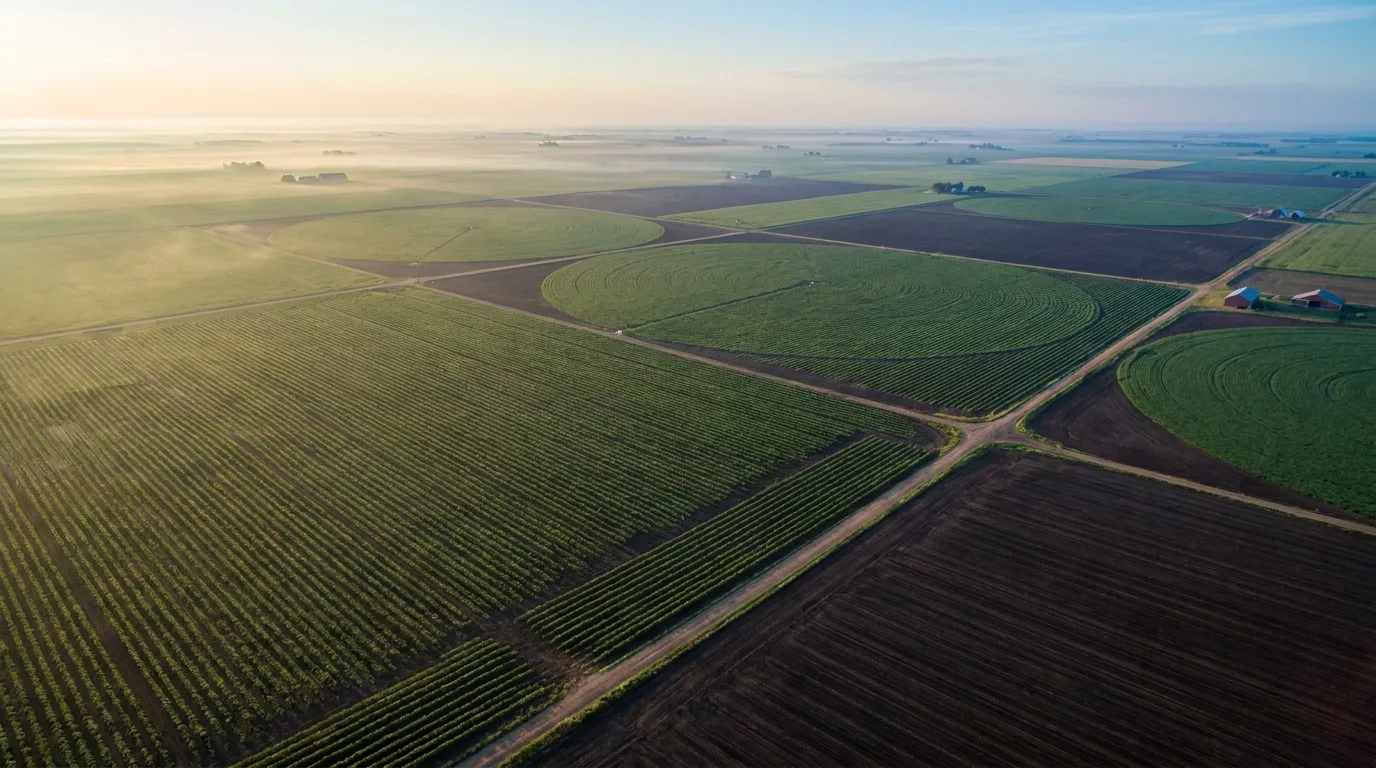
The right to take water and the freedom to apply nutrients are both tightening. Abstraction licences are converting to environmental permits by 2028 and can be reduced or revoked, while the Farming Rules for Water and nitrate vulnerable zones constrain how and when nutrients are applied. For growers, water and inputs are becoming regulated, scarce and costly.

At a glance
Applies to
Farmers, growers and other businesses that abstract water or apply nutrients to land, particularly irrigated and intensive operations.
Abstraction reform
Under the Environment Act 2021, abstraction licences are converting to environmental permits by 2028, and licences can be reduced or revoked where they risk environmental harm.
Farming Rules for Water
These rules, with nitrate vulnerable zone controls, restrict the timing and quantity of nutrient application and require measures to prevent runoff and leaching.
Support
A GBP 10m grant scheme supports more efficient on-farm irrigation as abstraction tightens.
Why it matters
The Environment Agency projects a shortfall of around 5 billion litres of water a day by 2055, and droughts have cost arable farmers roughly GBP 800m in lost production.
Cost pressure
Farm input costs have risen sharply, with the UK fertiliser bill running at GBP 1.4bn to 2.0bn a year, so using less water and nutrient protects both compliance and margin.

What is changing for water abstraction?

The licences that let businesses take water from rivers and groundwater are being brought into the environmental permitting system under the Environment Act 2021, with conversion due by 2028. Crucially, permits can be reduced or revoked where abstraction is judged to risk environmental harm, so a volume of water that has always been available cannot be assumed to continue.

The backdrop is genuine scarcity. The Environment Agency projects a shortfall of around 5 billion litres a day by 2055, and recent droughts have cost arable farmers roughly GBP 800m in lost production. Water is moving from a background input to a constrained, contested resource.

What do the Farming Rules for Water require?

The Farming Rules for Water, alongside nitrate vulnerable zone controls, govern how and when nutrients can be applied to land. They restrict application timing and quantity to what the crop and soil actually need, and require steps to prevent nutrients running off or leaching into watercourses.

The aim is to cut the nutrient pollution that damages rivers, which connects directly to the phosphorus and nutrient-neutrality pressures bearing on the water sector. For a grower, it means nutrient use has to be justified and managed, not simply applied.

Why does this hit margin as well as compliance?

Water and nutrients are also two of the largest controllable costs on a farm, and both are under price as well as regulatory pressure. Input costs have risen steeply, with the UK fertiliser bill running between GBP 1.4bn and 2.0bn a year.

That alignment is the opportunity: using less water and less fertiliser answers the tightening rules and protects the bottom line at the same time, provided yield is not sacrificed to do it.

How do you use less water and nutrient without losing yield?

The goal is efficiency, not restriction: getting more crop from each litre of water and each unit of nutrient, by improving how water is delivered and how the soil and root zone perform. Independent field trials have shown meaningful reductions in irrigation water with no loss of yield.

Done well, this turns a regulatory squeeze into a resilience gain, leaving an operation less exposed to both the next drought and the next licence review.

Questions answered

Frequently asked

Are abstraction licences becoming environmental permits?

Yes. Under the Environment Act 2021, water abstraction licences are converting to environmental permits by 2028, and permits can be reduced or revoked where abstraction risks environmental harm.

What do the Farming Rules for Water require?

They restrict the timing and quantity of nutrient application to what the crop and soil need, and require measures to prevent runoff and leaching, alongside nitrate vulnerable zone controls, to reduce nutrient pollution of watercourses.

Why is farm water use under such pressure?

Because supply is tightening: the Environment Agency projects a shortfall of around 5 billion litres a day by 2055, and droughts have cost arable farmers roughly GBP 800m in lost production, so abstraction is being constrained.

Can water and fertiliser use be cut without losing yield?

Yes. The aim is efficiency, getting more crop per litre and per unit of nutrient. Independent field trials have shown meaningful reductions in irrigation water with no loss of yield.

Speak to the Team

Under water or nutrient pressure?

Tell us about your operation and the limits you are facing, and we will show you, in confidence, how to use less water and fertiliser while protecting yield.

Start the conversation