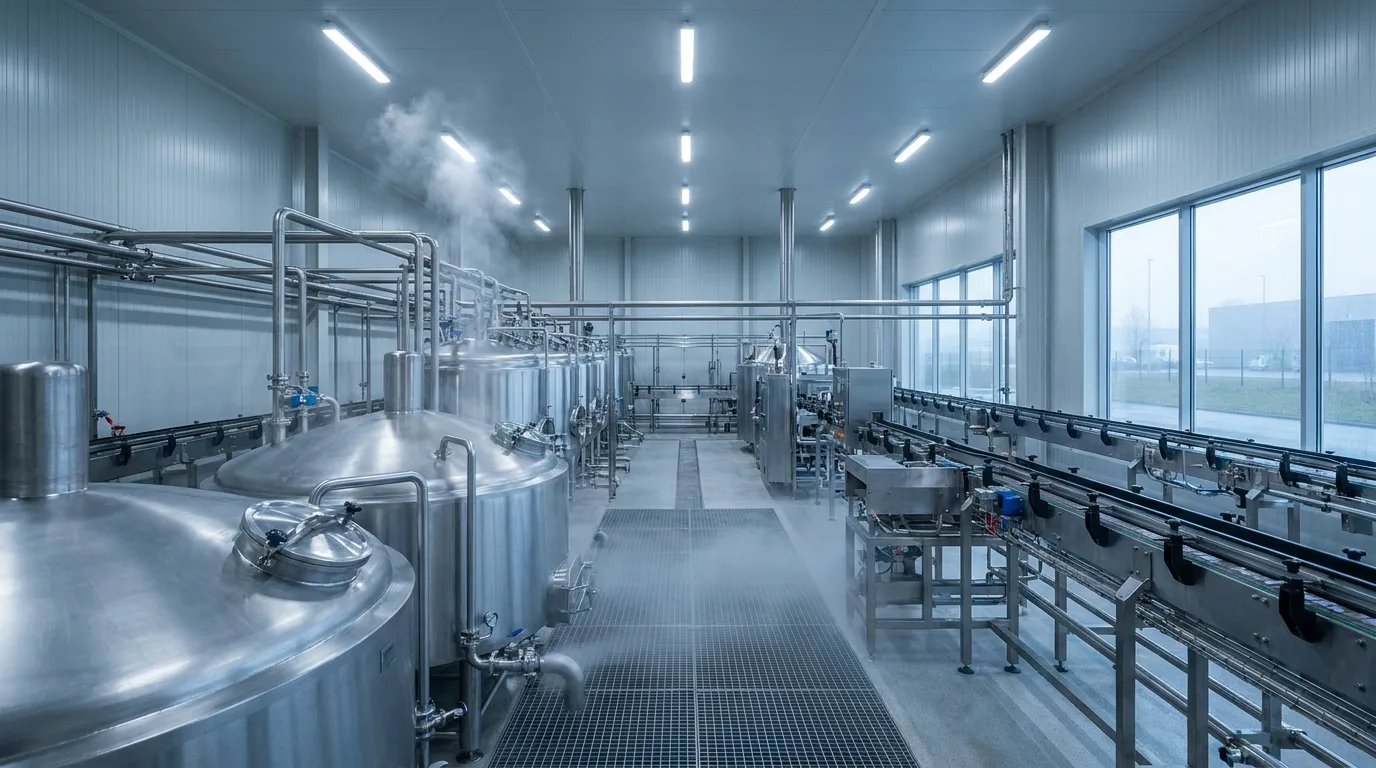
Build investable, accreditation-ready hospitals on reliable water, power and infection control.
International accreditation and development-finance standards are the gateway to investment, and they rest on the basics: clean water, reliable power and infection control.
We design, build and equip healthcare facilities to international standards, with the water, energy and infection control that accreditation and financing require built in from the start.
A proven track record of international accreditation in sub-Saharan Africa, where accreditation is scarce.
The challenge
The demand is vast, the basics are missing, and finance is conditional
Investors and ministries are trying to build healthcare capacity at scale in places where clean water, reliable power and accreditation, the things finance depends on, cannot be assumed.
The infrastructure gap is enormous. Sub-Saharan Africa alone needs around 6,200 new facilities and roughly 2.5 million additional beds by 2030, against a projected shortfall of 6.1 million healthcare workers. Universal health coverage targets sit on top of a system already short of capacity.
The basics that clinical care and accreditation depend on are often absent. Only about 51% of sub-Saharan primary facilities have basic water and sanitation, and only around a third have reliable electricity. A hospital cannot control infection or hold accreditation without them.
Investment is conditional. International accreditation is scarce across the region and is the quality signal that attracts patients, and development finance is tied to standards such as the IFC Performance Standards on pollution prevention and community health. Miss the standard and the funding does not follow.
Our approach
How we make a facility investable and accreditation-ready
We deliver the whole facility, design, construction, equipping and management, with the water, energy and infection control that accreditation and financing require engineered in, not added later.
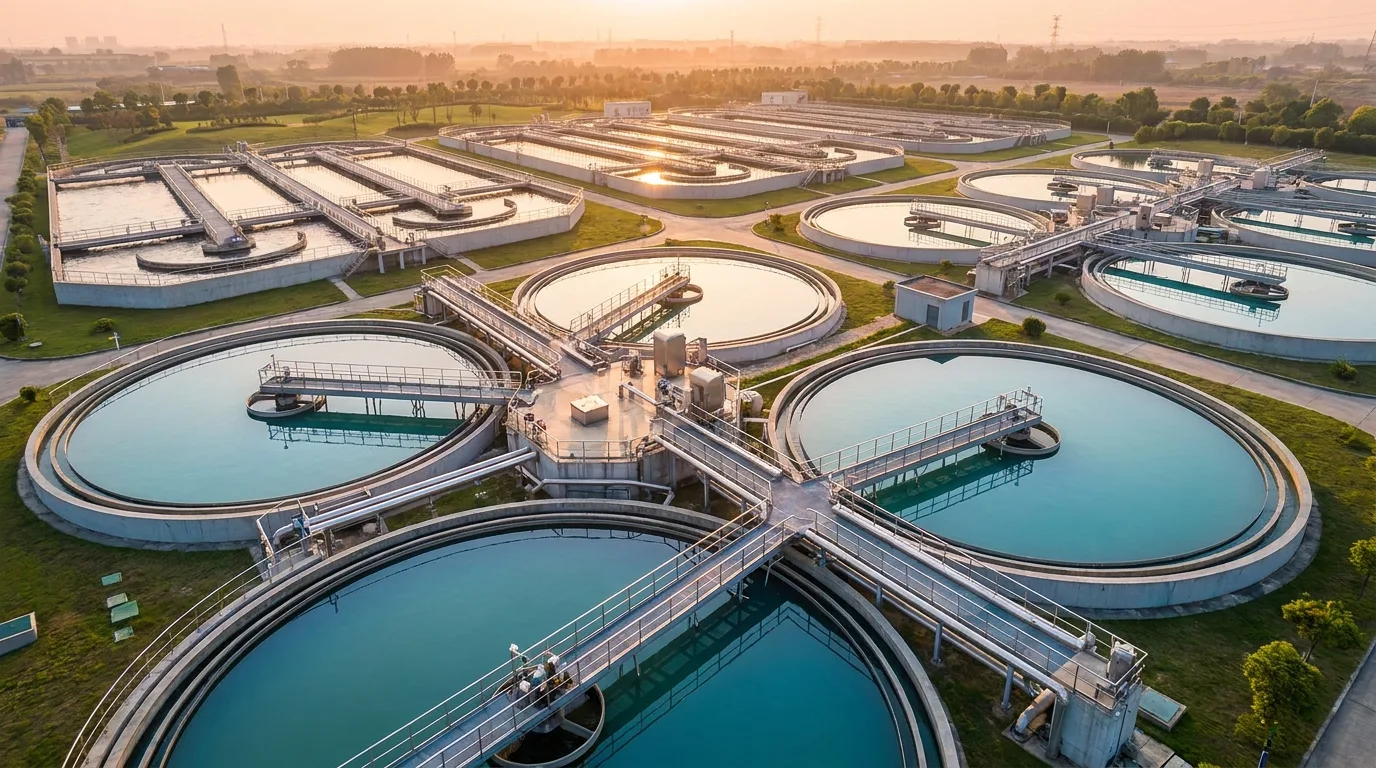
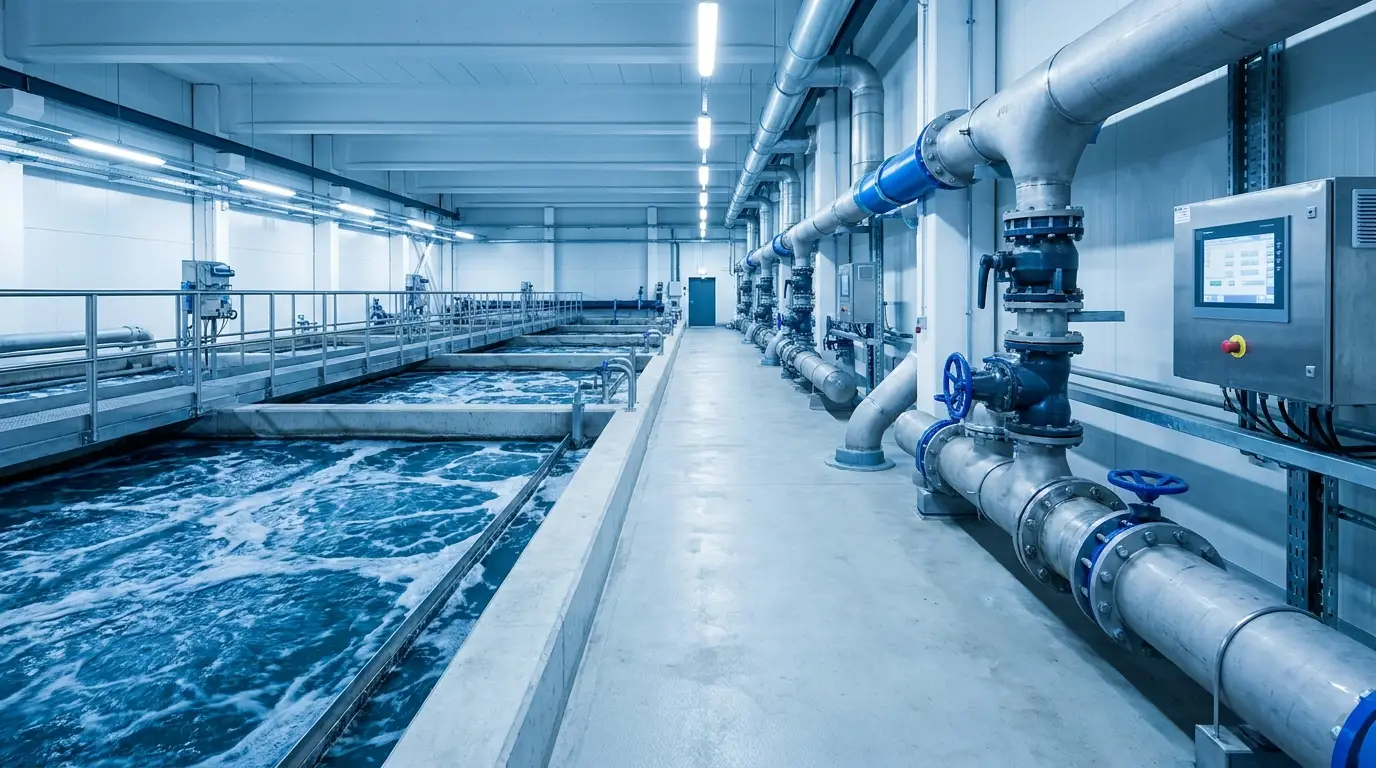
Reliable clean water, on-site energy and infection control effective against resistant pathogens are built into the facility from the start, so it can operate and hold accreditation in settings where the public supply cannot be relied on. That is what turns a project into a bankable, standards-compliant asset.
One accountable partner carries the technical and the local delivery, with a proven track record of international accreditation in a region where it is scarce, so investors and ministries are not assembling capability from a dozen sources against a financing deadline.
What you get
Accreditation-ready, bankable, self-sufficient
Obligation
A proven pathway to accreditation
Design, construction and management aimed at international accreditation, with a proven track record of JCI accreditations and reaccreditations in a region where accreditation is scarce.
Risk
Infection control that holds
Infection control effective against antimicrobial-resistant and biofilm-forming pathogens, including independently verified removal of 99.99% of biofilm (ASTM E2799), where pathogen load is high.
Risk
Reliable clean water on site
Water treatment validated to bring waterborne pathogens to 0 cfu/g, confirmed by a UKAS-accredited laboratory, so clinical care does not depend on an unreliable supply.
Risk
On-site energy, less dependence
Energy recovered and generated on site, reducing dependence on an unreliable grid, so theatres and wards keep running.
Risk
Clean air for clinical spaces
Air purification removing up to 99.9% of airborne pathogens in independent testing, with no ozone or harmful byproducts, in wards and theatres.
Obligation
Bankable to the standards
Built to the IFC Performance Standards on pollution prevention and community health that development finance requires, with a single accountable partner carrying technical and local delivery.
Evidence
Validated where it matters most
Independently verified, in the conditions that decide accreditation.
0 cfu/gWaterborne pathogens eliminated in four days in a major water system, confirmed by a UKAS-accredited laboratory
99.99%Of biofilm removed in independent testing (ASTM E2799), the environment where resistant pathogens survive
AccreditedA proven track record of international accreditation in sub-Saharan Africa, where accreditation is scarce
Reference sites
Evidence behind a bankable case
Infection control
A major water system eliminated recurring pathogens in four days
Bioload fell from 600 to 0 cfu/g across every test point after years of failed chemical dosing. Legionella, E. coli and coliforms were eliminated, confirmed by a UKAS-accredited laboratory.
Water treatment
Biofilm cleared from a water system to a 100% success rate
Over a ten-week trial, biofilm and algae were eradicated from the distribution system with zero Legionella, E. coli or coliforms detected, verified by an independent water-authority laboratory.
Accreditation
A proven record of international accreditation in a thin field
A track record of international accreditations and reaccreditations in sub-Saharan Africa, a region where only a handful of hospitals hold international accreditation at all.
Compliance
The compliance you carry
The UK environmental and safety duties that commonly reach emerging markets. Open any one for what it requires, the deadlines, what is at stake, and how to evidence control. Every entry is sourced.
HTM 04-01RiskObligationSafe water in healthcare premises (HTM 04-01)
What you must doRun a Water Safety Group and Water Safety Plan, control Legionella and Pseudomonas, manage temperatures and dead legs, and keep records. Failure can trigger CQC enforcement.
Applies toNHS and healthcare premises responsible for water systems serving patients, including vulnerable and immunocompromised people.
When it bitesContinuously, for any healthcare provider operating water systems.
DeadlinesOngoing (continuous duty)
What is at stakeSits within CQC enforcement and the Health and Safety at Work Act; failures threaten registration as well as patient safety.
How to evidence itAn active Water Safety Plan, Water Safety Group minutes, monitoring records, and independent verification of microbiological control.
Legal basisHealth Technical Memorandum 04-01, alongside ACoP L8 and the Health and Safety at Work Act 1974, enforced through CQC registration. Issued by NHS England / Department of Health and Social Care.
Keep patients safe and accreditation secure, with waterborne and infection risk reduced and evidenced.
HTM 03-01RiskObligationVentilation in healthcare premises (HTM 03-01)
What you must doDesign, validate and maintain ventilation systems to the standard, with annual verification, supporting infection control and patient safety.
Applies toHealthcare premises operating specialised ventilation such as theatres and isolation rooms.
When it bitesContinuously, for the design, validation and operation of healthcare ventilation.
DeadlinesOngoing (annual verification)
What is at stakeSits within CQC enforcement and the Health and Safety at Work Act.
How to evidence itAnnual ventilation verification reports, maintenance records, and a ventilation safety group where required.
Legal basisHealth Technical Memorandum 03-01, alongside the Health and Safety at Work Act 1974 and CQC requirements. Issued by NHS England / Department of Health and Social Care.
Support infection control and accreditation with cleaner air, and lower the energy ventilation costs to run.
AMR NAPObligationRiskAntimicrobial resistance (UK 5-year National Action Plan 2024 to 2029)
What you must doStrengthen infection prevention and control to help prevent the rise of resistant infections and reduce antibiotic use, with environmental and waterborne risk a recognised factor.
Applies toHealthcare providers, with infection prevention and control central to delivery.
When it bitesAcross care settings, against national targets to 2029.
Deadlines2029 (national plan horizon)
What is at stakeDelivered through NHS performance and CQC expectations rather than direct fines.
How to evidence itInfection-control performance data, surveillance of healthcare-associated infections, and environmental and water-safety controls.
Legal basisUK 5-year AMR National Action Plan 2024 to 2029, delivered through NHS and infection prevention and control requirements. Issued by UK Government / NHS England.
Reduce infection and waterborne risk across the estate, supporting the infection-control outcomes the plan demands.
JCI / IFCObligationInternational accreditation and finance standards (JCI and IFC Performance Standards)
What you must doMeet the quality, environmental and social conditions that accreditation and finance require, including pollution prevention and community health and safety.
Applies toHealthcare and infrastructure projects in emerging markets seeking accreditation or development finance.
When it bitesOn accreditation cycles, and as conditions of development finance.
DeadlinesAccreditation cycles; conditions of financing
What is at stakeLoss of accreditation or finance conditions rather than statutory fines.
How to evidence itAccreditation assessments, environmental and social management plans, and monitored performance against the standards.
Legal basisJoint Commission International accreditation standards and the IFC Performance Standards (notably PS3 on pollution and PS4 on community health and safety). Issued by Joint Commission International / International Finance Corporation.
Build investable, accreditation-ready infrastructure on reliable water, sanitation and power.
Affordable, sustainable, and bankable to the standards
The questions investors and ministries ask first are the right ones: what is the execution risk, is it affordable and sustainable for us, and does it meet the standards that finance depends on?
So we build the answer into the facility. The water, energy and infection control that accreditation and the IFC Performance Standards require are engineered in from the start, not retrofitted, and a single accountable partner carries both the technical and the local delivery. The track record of international accreditation in a region where it is scarce is the evidence the case is deliverable. We start with the facility or the standard under the most pressure and prove the route before you commit at scale.
Built to the international standards that financing and accreditation require.
Questions answered
Can you deliver to international accreditation standards?
Yes. Design, construction and management are aimed at international accreditation, backed by a proven track record of accreditations and reaccreditations in sub-Saharan Africa, a region where accreditation is scarce.
How do you handle unreliable water and power?
Reliable clean water treatment and on-site energy are built into the facility, so clinical care and accreditation do not depend on a public supply that may not be reliable.
Is the infection control effective against resistant pathogens?
Yes. It is effective against antimicrobial-resistant and biofilm-forming pathogens, with independently verified removal of 99.99% of biofilm and waterborne pathogens eliminated to 0 cfu/g under accredited testing.
Does it meet development-finance requirements?
Yes. Facilities are built to the IFC Performance Standards on pollution prevention and community health that development finance is conditional on, supporting bankability.
Do we manage several suppliers?
No. A single accountable partner carries both the technical delivery and the local execution, so capability is not assembled from a dozen sources against a financing deadline.
Start with one facility, or one standard
Tell us the capacity gap, the accreditation goal or the financing standard you are facing. We will set out the route, in confidence, before you commit at scale.