












Pathogen control
A major water system eliminated recurring pathogens in four days
Bioload fell from 600 to 0 cfu/g across every test point after years of failed chemical dosing, with Legionella eliminated, confirmed by a UKAS-accredited laboratory.
Most water problems that persist do so for one reason: the pipework is never cleaned, only the water in it is dosed.
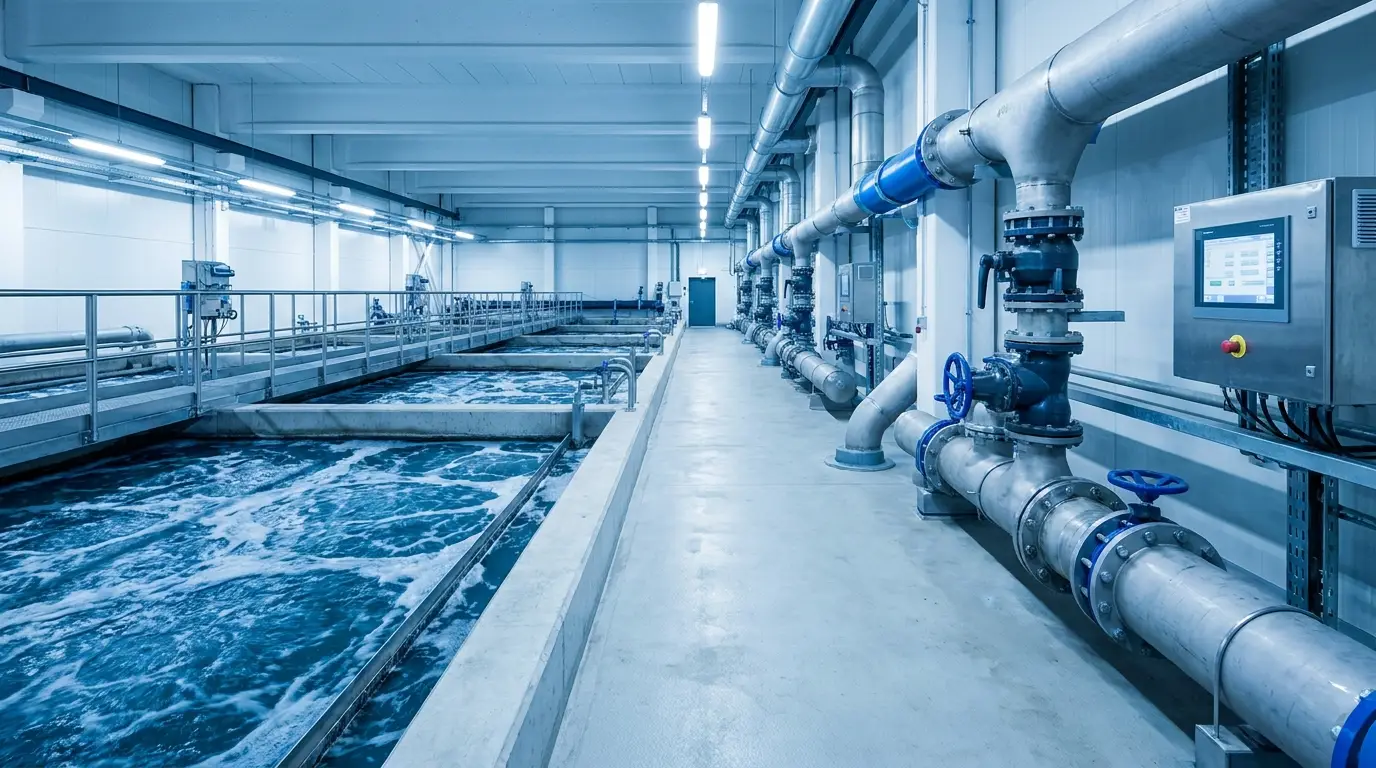
A dose that clears the water column can leave the deposits on the pipe walls untouched, and those deposits shelter the organisms that reseed the system as soon as the dose falls away. Chlorine-based routines can run for years without ever addressing the source. The result is recurring Legionella and pathogen risk, failed tests and rising chemical cost.
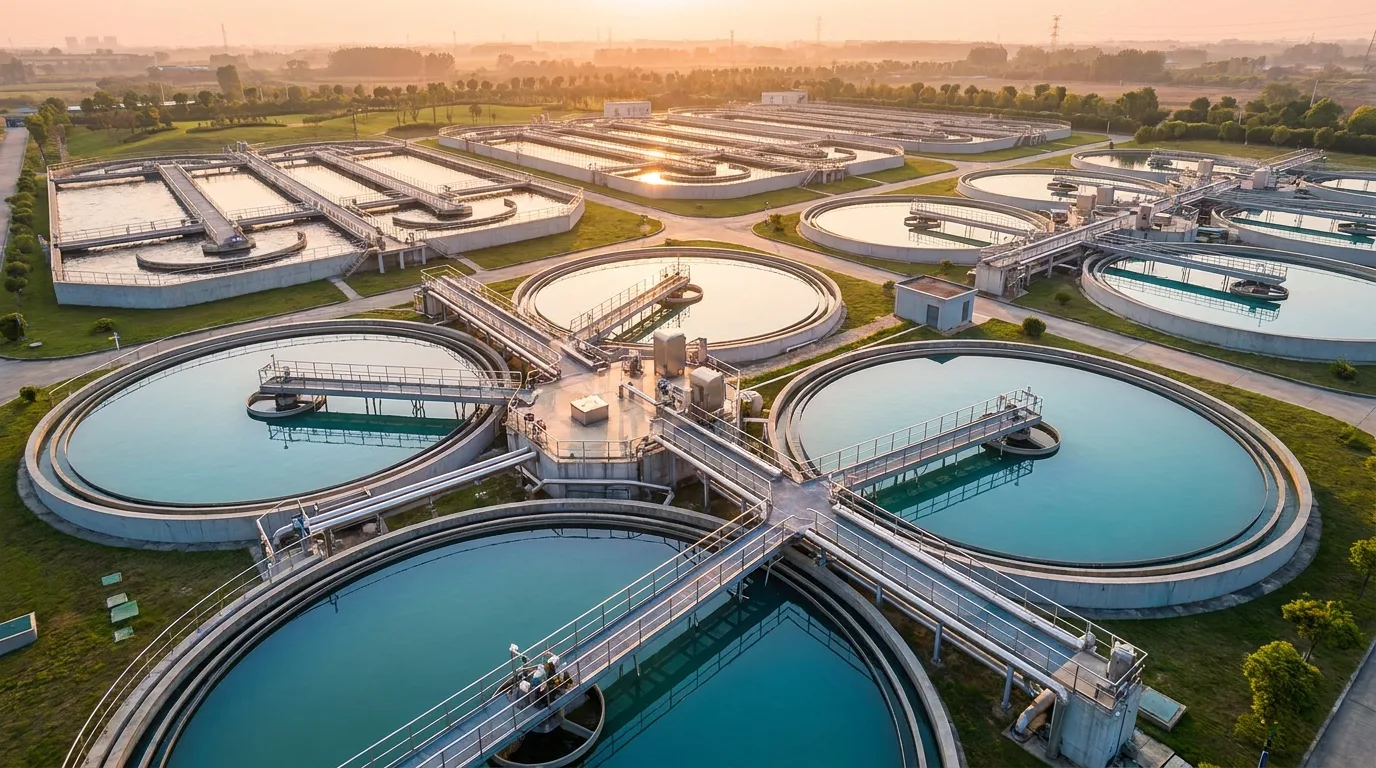
In wastewater, the same conventional approach is energy-hungry and chemical-heavy, with aeration alone taking 45 to 75% of a plant's energy, while effluent consents keep tightening.
The cost is paid twice: in the chemicals and energy spent, and in the risk and compliance exposure that remains.
We clean the system itself, not just the water it holds, across water systems, surfaces and effluent, with no toxic residue and proof at every step.
By cleaning the pipework where pathogens shelter, the bioburden falls at source and stays down on routine maintenance, rather than rebounding between chemical shocks. The same biological and oxidative approaches cut the chemicals and energy that conventional treatment depends on.
It works on live systems and full-scale works without taking them offline, and every result is verified by independent and accredited laboratories, so it stands up to a Water Safety Group, a regulator or an asset review.
Bring waterborne bioload to 0 cfu/g in four days where conventional dosing had failed for years, confirmed by a UKAS-accredited laboratory and held on routine maintenance.
Clean the pipework through rather than dosing the water it holds, so the conditions resistant organisms depend on are taken away instead of shocked and left to rebuild.
Take 34% off the energy to treat the load at a 110,000-population works under independent monitoring, with no new infrastructure.
Return an out-of-consent works to compliance without capital works, verified by an independent laboratory and monitored by the environmental regulator.
Reduce reliance on dosing chemistry and the cost and scrutiny that come with it, with no toxic residue left in the system.
Harness the flow and pressure already in your network to generate energy, with no new civil infrastructure.
Independently measured, never merely claimed.
The questions that matter most are whether it works on resistant pathogens, whether it disrupts a live system, and whether the evidence is independent.
On all three the answer is built in. It cleans the system itself rather than dosing the water it holds, works on live systems and full-scale works without taking them offline, and is verified by independent and accredited laboratories. We start with the water problem that keeps coming back, prove the result, then extend it.
Yes. It reaches the deposits and resistant pathogens that survive conventional disinfection, cleaning the source rather than dosing the symptom, with results confirmed to 0 cfu/g under accredited testing.
Yes. It is designed to work around live operations, so drinking-water systems and full-scale works stay in service while bioburden, energy and chemical use fall.
Yes. Results are verified by UKAS-accredited and water-authority laboratories and, for wastewater, monitored by the environmental regulator.
Yes. It has returned an out-of-consent works to compliance without capital works, and it reduces the energy and chemicals treatment depends on.
Tell us the pathogen, consent or cost problem you are facing. We will quantify the outcome for your system, in confidence, before you commit.
Tell us the cost, the risk or the obligation you are facing. A senior member of our team will respond, in confidence, with how we would help.