
















Hypochlorous acid you can specify, stock and build a product on.
Made by chemical synthesis rather than electrolysis: a concentrate of up to 32,000 ppm for dilution to the strength each product needs, with no added stabilisers and a stated 24-month shelf life. Licensed by field of use to pharmaceutical and medical-device companies.
Why has hypochlorous acid been hard to build products on?
Because the material has set the limits of the formulation before the formulator could. Most hypochlorous acid on the market is made by electrolysis, sold dilute, often buffered, and can drift in strength and pH between batches.
Earlier medical programmes also met the cost of clinical evidence and regulation, and a better material does not remove those. What it removes is the ceiling the material itself imposed.
What is different about this hypochlorous acid?
It is made by chemical synthesis rather than electrolysis, so its strength, purity and stability are specified at manufacture rather than accepted from a cell.
Manufacturer's stated specification. Full reports are shared under NDA.
Comparison with marketed electrolytic products as recorded in their published regulatory summaries and safety data sheets.
What does that change for a licensee?
The active stops being the development risk.
Strength, purity and stability are specified and reproducible, so your programme's uncertainty sits in your formulation and your evidence, where you can manage it.
Your budget goes on the product, not the chemistry.
The manufacturing route already exists and supplies at commercial volume. You license a material, not a research problem.
The data a technical file asks for is there to review.
Independent test reports, stability data, analytical methods and the batch specification are released under NDA once we have spoken.
Select the area you work in.
Each field has its own formats, its own regulatory route and its own reasons to look at this material again. Choose yours for the breakdown.
Wound care
For wound care and advanced dressing companies, and makers of negative pressure systems.
Where you are today
Most hypochlorous acid in wound products is made by electrolysis and sold at a few hundred ppm or less, often with a buffer. That ceiling, and the drift between batches, sets the limits of every formulation built on it.
What this material changes
- Strength chosen for the formulation, diluted from a concentrate of up to 32,000 ppm.
- No added stabiliser for a technical file to account for.
- A stated 24-month shelf life, so product can be distributed and held like any other line.
- Strength and pH specified at manufacture, batch to batch.
Formats a licensee could develop
The regulatory route, in outline
Products in this field reach market as medical devices or as medicines. Which one depends on the claim made for the finished product, so the route is the licensee's decision from the start.
Topical and device applications
For catheter, vascular access and urology device makers, and companies with topical product lines.
Where you are today
A device maker who wants an aqueous active in or on a product has to design around what alcohol, iodine, or dilute and variable hypochlorous acid each bring with them.
What this material changes
- A water-based active with no alcohol, iodine or added stabiliser.
- Strengths diluted from a concentrate of up to 32,000 ppm to the device maker's own specification.
- Batch consistency a device quality system can write into its incoming inspection.
Formats a licensee could develop
The regulatory route, in outline
Device-integrated uses come into the device maker's own quality system and testing. Topical products for skin are generally regulated as medicines. The claim made for the finished product sets the route.
Dermatology
For dermatology specialty pharma and companies with established topical portfolios.
Where you are today
Formulating hypochlorous acid into a gel, spray or foam has been limited by how much strength dilute material gives a formulator to work with, and how quickly it changes in the pack.
What this material changes
- A high-purity starting material at the strength the vehicle needs.
- No added stabiliser to complicate the formulation.
- Supply at commercial scale, so a development programme is not limited by the material.
Formats a licensee could develop
The regulatory route, in outline
A dermatology product presented for a skin condition is a medicine, with a clinical programme and a marketing authorisation. That programme belongs to the licensee, and the material is available now for its formulation work.
Advanced delivery
For formulation science companies and pharmaceutical R&D groups working on new formats.
Where you are today
New formats for a reactive active start from a material that holds its strength through formulation and manufacture. Dilute, short-lived material rules most of them out before the work begins.
What this material changes
- A concentrate of up to 32,000 ppm as a starting point.
- A stated 24-month shelf life before formulation begins.
- A specified, reproducible starting material for a research programme.
Formats a licensee could develop
The regulatory route, in outline
Every route in this field is early-stage research and follows the full development path of a new medicine or combination product.
What stands behind the material?
Independent testing
Independent UKAS-accredited laboratory reports to EN 1276, EN 13727, EN 13624, EN 14476, EN 16777, EN 17126 and EN 17387, clean conditions. Shared under NDA.
Certified management systems
Manufactured in the UK under ISO 9001, ISO 14001 and ISO 45001 certified management systems.
Supply already running
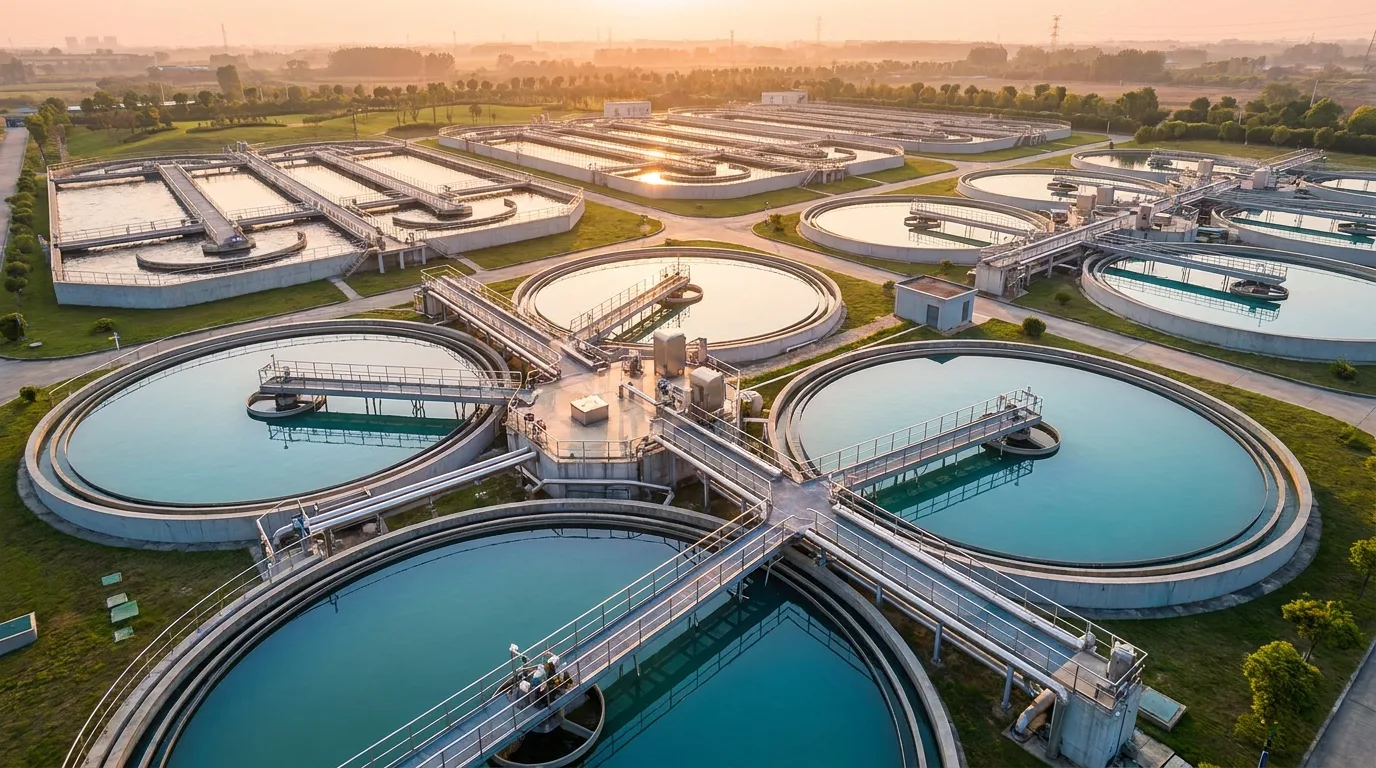
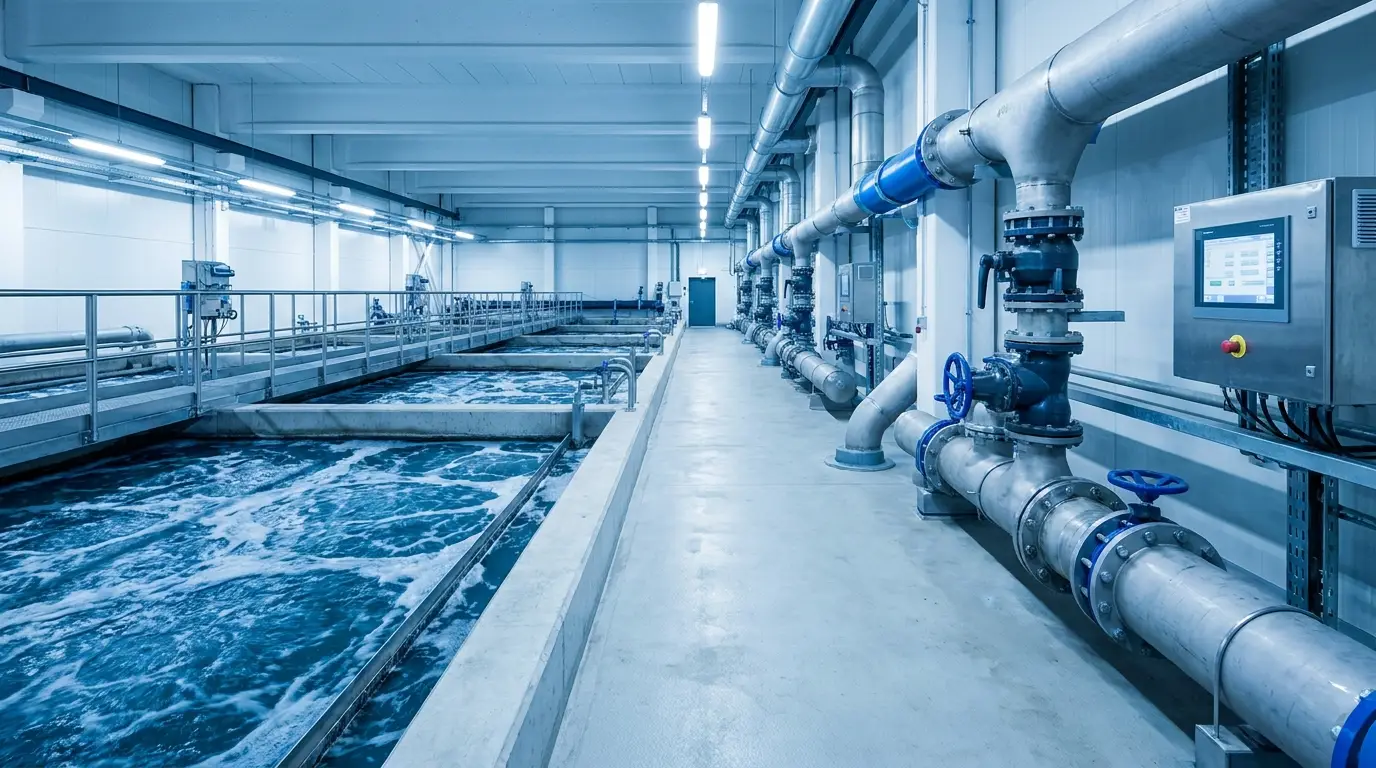
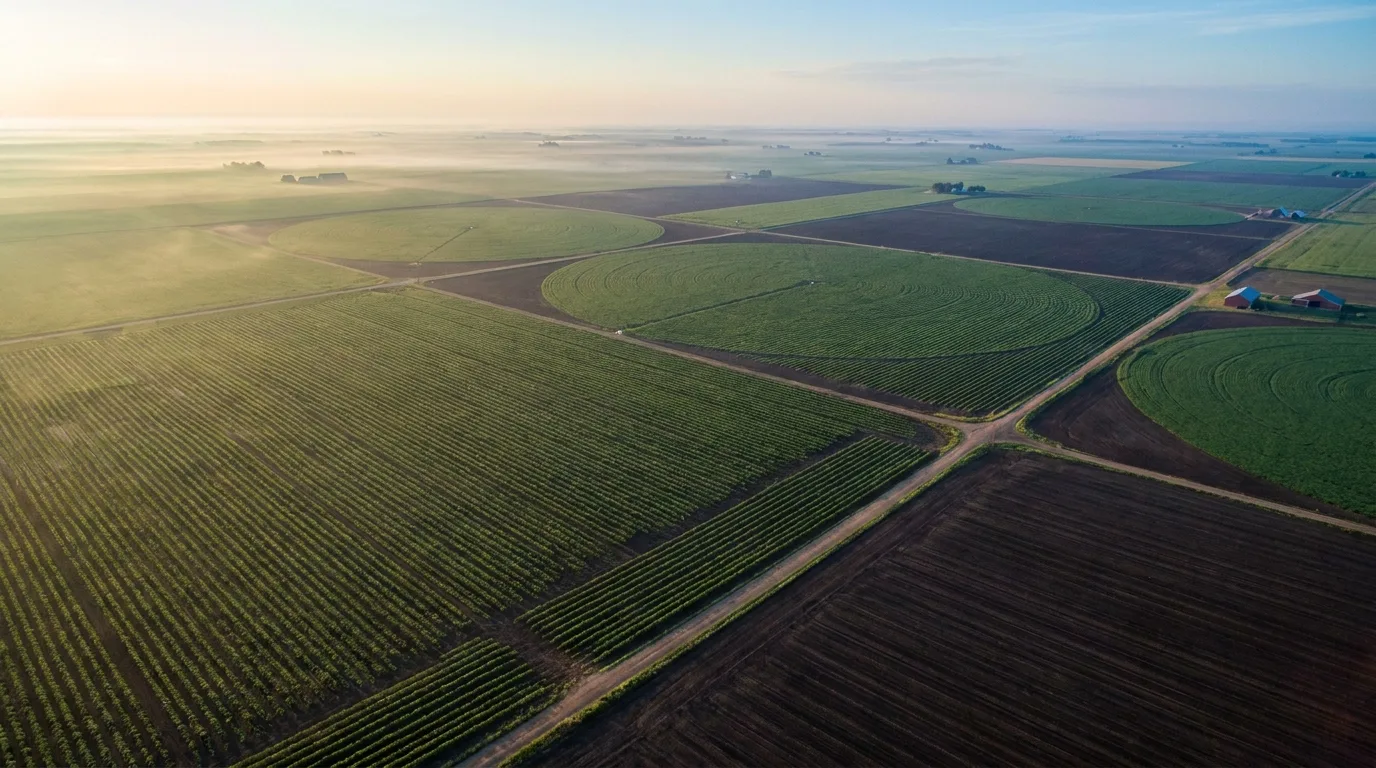
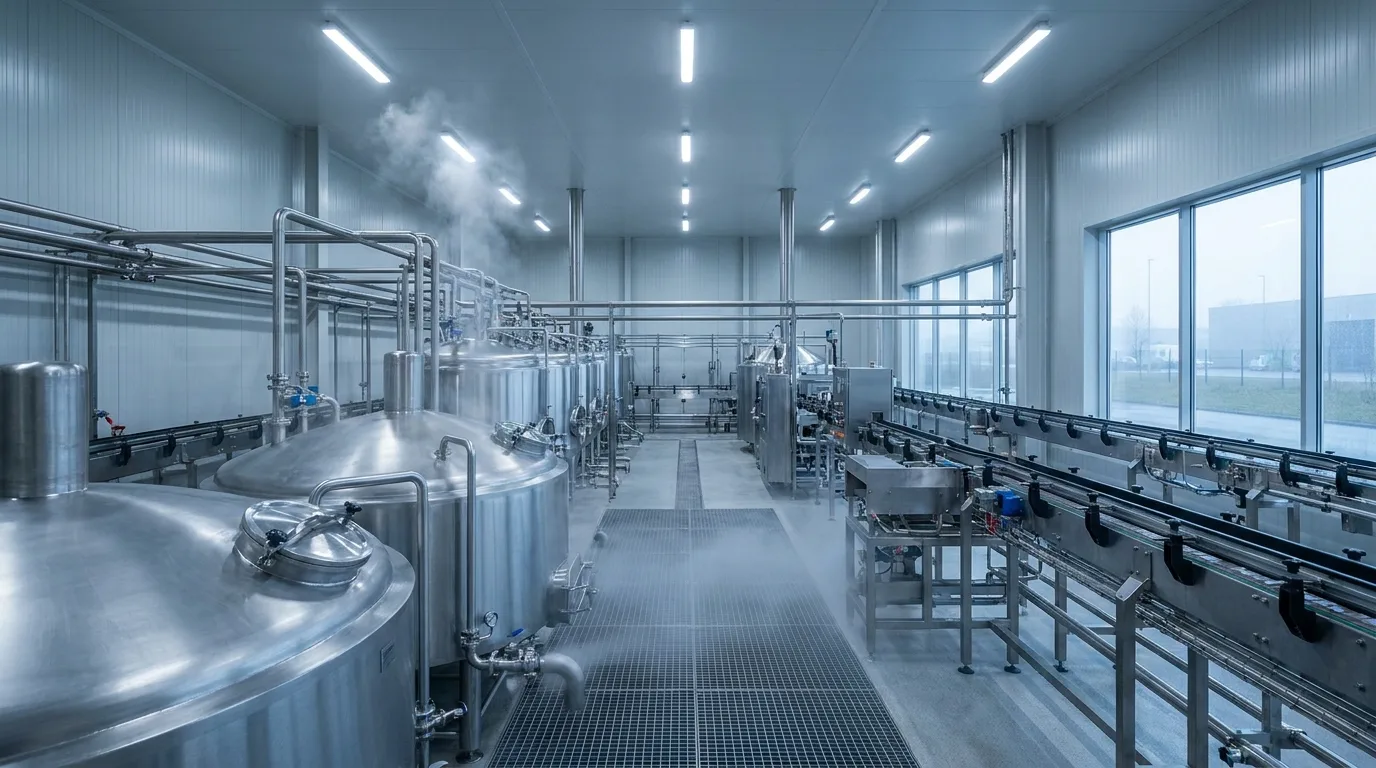
Already supplied at commercial volume into water treatment, food, agriculture and surface disinfection. Those uses sit outside any pharmaceutical licence and are unaffected by it.
How does licensing work?
Each licence covers the field of use a company works in, so a wound care company and a device maker can each take the material into their own area. Water, wastewater, food, agriculture and surface disinfection are carved out. Scope, territory and terms are agreed with each licensee around its development plan.
Introductory call
Thirty minutes between your business development and technical teams and ours.
Technical data under NDA
Test reports, stability data, analytical methods and supply terms.
Licence discussion
Scope, territory and terms, shaped around your development plan.
Questions licensing teams ask.
Is this a finished medical product?
No. Hypochlorous acid is offered as a raw material for licensed development. The licensee develops the finished product, generates the evidence it needs and takes it through its own regulatory route.
How are licences structured?
By field of use. A company licenses the field it works in, one or several, and scope, territory and terms are agreed around its development plan.
What technical data can we see?
After an introductory call and under NDA: the independent EN test reports, stability data, analytical methods and the batch specification.
Who manufactures it?
A UK manufacturer operating ISO 9001, ISO 14001 and ISO 45001 certified management systems, already supplying at commercial volume. The manufacturer is identified under NDA.
What does a licensee take on?
The formulation, the evidence for the finished product and its regulatory route. The material, its specification and its supply come with the licence.
Why is HES running this?
HES brings specialist technologies to the organisations that can use them. The HES Lab runs this licensing programme, so your first conversation is with us.
Get the licensing overview for your field.
Tell us which fields you work in. We will send the licensing overview for them and arrange a thirty-minute introductory call. Technical data follows under NDA.
No medical product exists. Hypochlorous acid is offered as a raw material for licensed development. Any product would require the licensee's own development programme, clinical evidence where needed, and regulatory authorisation. No therapeutic, diagnostic or preventive claim is made.