Poultry farm water treatment that clears the drinker lines and proves the water is clean.
Clear the biofilm hiding in your lines, hold the water pathogen-free to every drinker, and hold the evidence to prove it.
The water running through your units is something you can bring under demonstrable, inspection-ready control now. We deliver clean, pathogen-free water through your existing lines, clearing established biofilm and leaving no harmful residue, verified by independent laboratories.
Independently verified: a recurring waterborne pathogen problem cut from 600 to 0 cfu/g in four days, all test points pass.
In short
What is poultry farm water treatment?
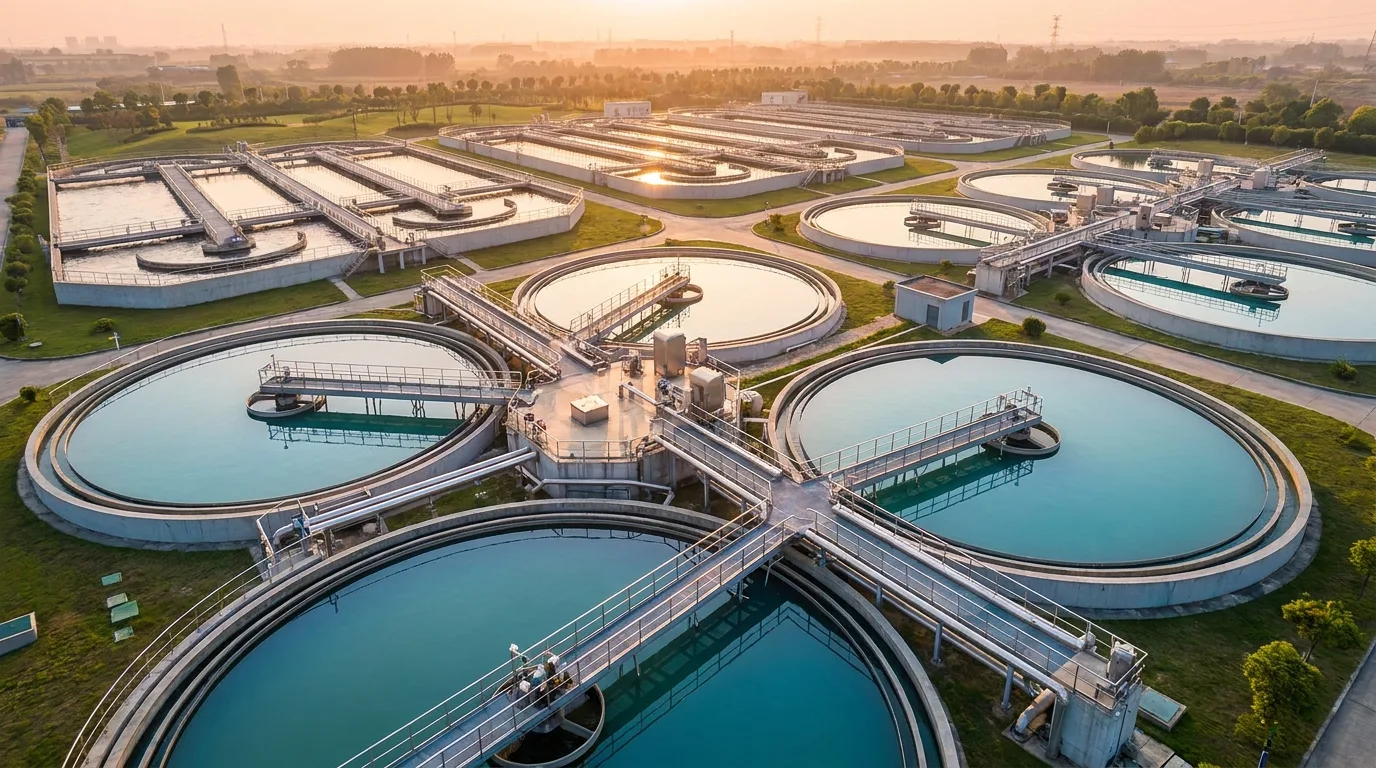
Poultry farm water treatment is the disinfection and cleaning of the drinking water feeding a flock, clearing the biofilm that builds inside drinker lines and holding the water pathogen-free from the tank all the way to the drinker. The strongest treatment protects biosecurity and bird performance, leaves no harmful residue, and is verified independently.
Clearing the biofilm that builds inside warm, continuously used drinker lines
Holding the water pathogen-free at every drinker, not just at the tank
Cutting one of the waterborne routes behind Campylobacter and Salmonella exposure
Protecting water intake, the single biggest driver of growth and flock uniformity
Reducing reliance on reactive medication when the water stops being a source of risk
Evidencing water quality to an independent, accredited laboratory for audit
The challenge
The water your birds drink is one of the few high-risk points you can actually prove
Poultry is the most heavily scrutinised livestock sector in the UK, and the duty of care lands on the producer. Around 1.1 billion broilers are reared here each year, over 95% in standard indoor (Red Tractor) systems, and that concentration is exactly what regulators, catchment campaigners and the courts are focused on.
Inside warm, continuously used drinking systems, biofilm builds on the inner walls of pipes and drinkers. That biofilm shelters waterborne pathogens, including the organisms behind Campylobacter and Salmonella exposure, blunts the sanitiser you are already dosing, and quietly suppresses water intake, the single biggest driver of growth and flock uniformity.
On enforcement, the Environment Agency runs at least 4,000 farm inspections a year. Agriculture also accounts for 89% of UK ammonia, with the poultry sector around 12% of the agricultural total, keeping the sector under wider air and water-quality scrutiny too.
You are accountable for all of it. The question is not whether your unit will be examined. It is whether, when it is, you can show evidence that the parts you control, starting with the water, are clean.
How it works
Treat the water in the lines you already run, not just the tank
We treat the drinking water so it is consistently clean at every drinker, not just at the source, clearing what builds up inside the lines rather than dosing over the top of it.
Across the drinking system, the treatment penetrates and clears established biofilm, the layer that shelters pathogens and blunts conventional dosing, then holds the system pathogen-free so the bioburden stays down rather than rebounding between shock treatments. It leaves none of the harmful byproducts that older chlorine-based chemistry produces.
It carries UK drinking-water regulator approval and retrofits into your existing dosing lines, so there is no rebuild and no disruption to the unit, and every result is verified by an independent, accredited laboratory. You change the result, not the way you run the shed, and you hold evidence that stands up to an inspector or an assurance auditor.
What it delivers
Clean water you can prove, not just claim
Risk
Pathogen-free water at every line
Remove one of the live biosecurity and food-safety routes into the flock, with clean water held all the way to the drinker, not just at the tank.
Risk
Established biofilm cleared at source
Penetrate and clear the biofilm that builds inside warm drinker lines, where waterborne pathogens shelter and the sanitiser you are already dosing loses its bite.
Cost
Biofilm cleared, so birds drink
A clean system lets water intake, uniformity and flock performance do what your genetics and feed are paying for, with dosing that reaches where it needs to.
Obligation
Audit-ready evidence in hand
Accredited laboratory results give you third-party verified evidence of water quality for inspections and assurance schemes, instead of assurances you cannot back.
Risk
Less reliance on reactive medication
When the water stops being a source of pathogens, you remove a recurring reason to reach for antibiotics, supporting bird health and responsible-use targets.
Cost
No capital rebuild, cleaner footprint
It works with the dosing infrastructure you already have, retrofitting into existing lines with no downtime, and leaves none of the harmful byproducts of older chlorine chemistry.
Evidence
Proven where conventional chemistry had already failed
Third-party measured, not vendor-claimed.
0 cfu/gRecurring waterborne pathogens eliminated in four days at a major UK site, confirmed by a UKAS-accredited laboratory
6 of 6Test points moved from fail to pass, with Legionella, E. coli and coliforms eliminated
1.6M litresTreated to zero Legionella, E. coli and coliforms with biofilm eradicated, verified by a water-authority laboratory
Reference sites
Results you can put to your vet and your assurance scheme
Recurring contamination
A major UK site cleared recurring contamination in four days
A water system carrying a 600 cfu/g bioload, where conventional chlorine chemistry had repeatedly failed, was brought to 0 cfu/g in four days. All six test points moved from fail to pass, confirmed by a UKAS-accredited laboratory, and the client extended the approach across its entire water network.
Biofilm in the lines
1.6 million litres returned to zero pathogens, biofilm eradicated
On a site with a long history of biofilm and algae, 1.6 million litres were treated using a fraction of the previous chemical volume. Biofilm was eradicated and no Legionella, E. coli or coliforms were detected, verified by the water authority's laboratory.
Before you commit
Will it disrupt the flock, and is it safe for the birds?
The two questions every producer asks first are the right ones: will it interrupt the unit, and is the water safe for the birds?
It will not interrupt the flock. The treatment retrofits into your existing lines, with no rebuild and no downtime. It is safe for the birds, carrying UK drinking-water regulator approval and leaving no harmful treatment residue. And you get evidence, not promises: independent, accredited laboratory verification you can put in front of an inspector or an assurance auditor. We start with an assessment of your water system, so you see what your lines are carrying before you commit to anything.
Every result is confirmed by an independent, accredited laboratory.
Questions answered
What is poultry farm water treatment?
It is the disinfection and cleaning of the drinking water feeding a flock: clearing the biofilm that builds inside drinker lines and holding the water pathogen-free from the tank all the way to the drinker. The strongest treatment protects biosecurity and bird performance, leaves no harmful residue, and is verified independently.
How do you clean poultry drinker lines and control biofilm?
Biofilm builds on the inner walls of warm, continuously used lines, sheltering pathogens and blunting the sanitiser you are already dosing. The treatment penetrates and clears established biofilm at source, then holds the system pathogen-free so the bioburden stays down rather than rebounding between shock treatments.
Will it actually clear established biofilm in the lines?
Yes. On a private estate water network with a long history of biofilm and algae, 1.6 million litres were treated using a fraction of the previous chemical volume, biofilm was eradicated and no Legionella, E. coli or coliforms were detected, verified by the water authority's laboratory.
How does clean water improve flock performance?
Biofilm and contamination quietly suppress water intake, the single biggest driver of growth and flock uniformity. Clear the lines and hold the water clean, and water intake, uniformity and flock performance can do what your genetics and feed are paying for, with dosing that reaches where it needs to.
How does water hygiene support biosecurity?
The drinker lines are one of the live waterborne routes into the flock, including the organisms behind Campylobacter and Salmonella exposure. Holding the water pathogen-free at every drinker removes one of those routes, giving you a high-risk point you can bring under demonstrable, inspection-ready control.
Does this reduce my reliance on antibiotics?
Consistently clean, biofilm-free water removes one of the routes by which waterborne pathogens reach the flock, which supports bird health and reduces the need for reactive medication. The outcome depends on your wider health management, but the water stops being a source of risk.
Is the evidence independent, and is the water safe for the birds?
Yes on both. Results are confirmed by independent, accredited laboratories, so you hold third-party verified evidence for audit and inspection. The treatment carries UK drinking-water regulator approval and leaves none of the harmful byproducts of older chlorine-based chemistry, so the water your birds drink is clean and residue-free.
Tell us what your drinker lines and water system are carrying. Request a water-system assessment, and we will show you the state of your lines and the evidence you would hold once they are clean, in confidence, before you commit.