Legionella control solutions that discharge the duty of care, in one accountable pair of hands.
The Legionella duty of care is a personal, non-delegable one, and a single failure has cost three lives and a seven-figure fine. We bring the whole water estate under control and prove it.
We bring your hot and cold water, cooling, spa and pool systems under reliable, compliant control, clear the biofilm conventional dosing misses, and produce the independently verified evidence your risk assessments and inspections need. One accountable owner of the duty, one audit trail, every result verified.
Independently verified: a recurring waterborne pathogen problem brought to 0 cfu/g in four days, confirmed by a UKAS-accredited laboratory.
In short
What are legionella control solutions?
Legionella control solutions are the measures that keep Legionella bacteria from growing in hot and cold water, cooling, spa and pool systems, so the duty of care under ACoP L8 and HSG274 is met. The strongest also clear the biofilm conventional dosing leaves behind and prove every result to an independent laboratory.
Discharging the Legionella duty of care under ACoP L8, HSG274 and HSG282
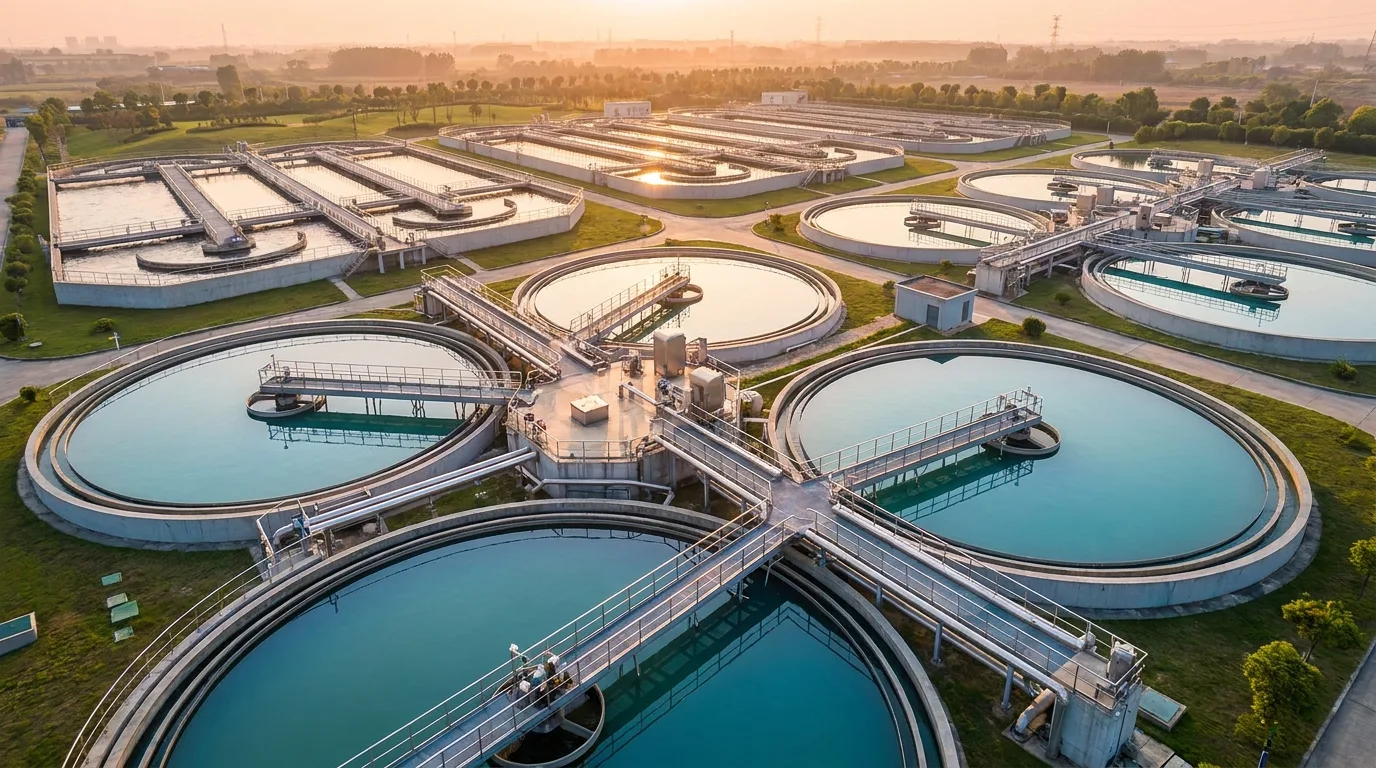
Bringing hot and cold water, cooling, spa and pool systems under reliable control
Clearing the biofilm where Legionella and other pathogens survive and re-grow
Keeping spa and pool water safe with a lower chlorine and chemical load
Producing the independently verified evidence risk assessments and inspections require
Putting one named, accountable owner over the whole water estate, not four contractors
The challenge
The Legionella duty cannot be delegated away, and the penalty for getting it wrong is personal
Legionella control is a named, non-delegable duty under health and safety law, and the failure mode is exactly the one conventional dosing struggles with.
Legionnaires' disease is no longer an overseas-resort problem. In 2024 most cases in England and Wales were caught in the community rather than abroad, and the disease still killed around one in thirty-five of the people who contracted it. A single spa-pool failure has led to three deaths and a fine of GBP 1 million under health and safety law, and that duty of care cannot be delegated away.
ACoP L8 and HSG274 set what control looks like: keep hot water hot and cold water cold, stop stagnation, keep systems clean, and control the biofilm in which Legionella shelters and grows. Biofilm is the part chlorine-only and temperature regimes leave behind, so the bioburden rebounds between chemical shocks and the risk never truly clears.
Most operators meet all of this with separate contracts: one firm for Legionella, another for the pool plant, another for the air, another for energy. No one owns the whole water estate, so when something fails there are four suppliers and no single answer, which is not a defence an inspector or a court will accept.
How it works
Bring the whole water estate under control, and clear the biofilm at source
We take the duty of care across the whole water estate, then deliver the result you are accountable for: reliable, compliant control with independent evidence behind it.
Across cooling systems, hot and cold water, spa and pool, we bring Legionella and biofilm risk under reliable, compliant control, the failure mode conventional dosing struggles with, and reduce the combined chlorine and chemical load your pool water needs to stay safe. Clearing the biofilm at source keeps the bioburden down on routine maintenance rather than rebounding between chemical shocks.
It works on live systems without taking them out of service, and every result is verified by an independent or accredited laboratory. So the same work that controls the risk also produces the evidence your ACoP L8, HSG274 and HSG282 risk assessments and inspections require. One accountable owner carries the whole water estate under one audit trail.
What it delivers
The duty discharged, the risk controlled, the evidence in hand
Risk
Discharge the Legionella duty, in full
Bring Legionella and biofilm risk across your cooling, hot and cold water, spa and pool under reliable, compliant control, with one named, accountable owner of the duty of care instead of four separate contractors.
Risk
Beat the biofilm conventional control misses
Target the biofilm where Legionella and other pathogens survive and re-grow, independently verified, the exact failure mode chlorine-only and temperature-only regimes leave behind.
Risk
Control recurring waterborne pathogens
Bring a recurring waterborne pathogen problem to 0 cfu/g in four days where conventional dosing had failed, confirmed by a UKAS-accredited laboratory, and hold it on routine maintenance dosing.
Obligation
Produce the evidence inspections require
Generate the independently verified evidence your ACoP L8, HSG274 and HSG282 risk assessments and inspections need, so control stands up to an inspector, an audit or a court.
Risk
Keep spa and pool water safe and clear
Reduce the combined chlorine and chemical load it takes to keep pool and spa water safe, with superior clarity, so swimmers and staff are around less chemistry in the water and the air.
Cost
One partner, not five contracts
Replace the Legionella firm, the pool-plant firm, the air firm and the energy broker with a single accountable owner of the whole water estate, and one audit trail.
Evidence
Validated in accredited and independent testing
Legionella-control results you can put in front of an inspector.
0 cfu/gA recurring waterborne pathogen problem eliminated in four days where conventional dosing had failed, confirmed by a UKAS-accredited laboratory
6 of 6Test sites brought from fail to pass on water-safety compliance, confirmed by a UKAS-accredited laboratory
ZeroLegionella, E. coli and coliforms across 1.6 million litres of an estate water system, confirmed by an independent water-authority laboratory
Reference sites
Results you can put in front of a Responsible Person
Water safety
A major water system eliminated recurring pathogens in four days
Bioload fell from 600 to 0 cfu/g across every test point after years of failed chemical dosing. Legionella, E. coli and coliforms were eliminated, confirmed by a UKAS-accredited laboratory, and the result held on routine maintenance dosing.
Estate water
Biofilm and pathogens cleared from an estate's water network
Over a ten-week trial, biofilm and algae were eradicated from the borehole and distribution pipework across 1.6 million litres, with zero Legionella, E. coli or coliforms detected, verified by an independent water-authority laboratory.
Pools and spas
Commercial pools and spas kept safe with less chemistry
Supplemental treatment reduced the sanitiser demand and improved water clarity in commercial pools and spas, keeping water safe and clear with a lower chlorine and chemical load.
Compliance
The compliance you carry
The UK environmental and safety duties that commonly reach legionella control solutions. Open any one for what it requires, the deadlines, what is at stake, and how to evidence control. Every entry is sourced.
ACoP L8RiskObligationLegionella control in water systems (ACoP L8 and HSG274)
What you must doAppoint a competent Responsible Person, assess the risk in writing, put a control scheme in place, monitor it, and keep records. A court can treat failure to follow the ACoP as evidence of breaking the law.
Applies toAny business with a water system that could create a risk of exposure to Legionella: hot and cold water services, cooling towers, spa pools, calorifiers and more.
When it bitesContinuously, wherever a water system could let Legionella grow and create breathable droplets.
DeadlinesOngoing (continuous duty)
What is at stakeProsecution under the Health and Safety at Work Act with unlimited fines. One spa-pool outbreak that caused three deaths led to a fine of GBP 1,000,000.
How to evidence itA current written risk assessment, up-to-date monitoring and temperature records, and, increasingly, independent laboratory verification that the system is under control.
Legal basisHealth and Safety at Work etc. Act 1974 (s2 and s3) and COSHH 2002, with the Approved Code of Practice L8 (special legal status) and HSG274. Issued by Health and Safety Executive.
Turn a continuous, personal Legionella duty into a defensible compliance file, with waterborne risk brought under control and independently confirmed.
Cooling towersRiskObligationCostCooling towers and evaporative condensers (HSG274 Part 1 and the 1992 Notification Regulations)
What you must doNotify the local authority of the device, then assess and control the Legionella risk under a written control scheme with monitoring and records.
Applies toOperators of wet cooling towers and evaporative condensers, including many data centres, hospitals, large commercial sites and industrial plant.
When it bitesOn operating any wet cooling system, which must be notified to the local authority and managed to HSG274 Part 1.
DeadlinesOngoing (continuous duty); notify on installation or change
What is at stakeEnforced under the Health and Safety at Work Act with unlimited fines; non-notification is itself an offence.
How to evidence itLocal-authority notification on record, a current risk assessment, treatment and monitoring records, and independent confirmation the system is in control.
Legal basisNotification of Cooling Towers and Evaporative Condensers Regulations 1992, with ACoP L8 and HSG274 Part 1. Issued by Health and Safety Executive / local authority.
Harden cooling-tower Legionella control and cut the water and chemicals it burns, without touching uptime.
HSG282RiskObligationCostSpa pools and pool water (HSG282 and PWTAG Code of Practice)
What you must doManage spa and pool water to the recognised standard: risk assessment, disinfection and circulation control, microbiological monitoring and records.
Applies toHotels, leisure centres, holiday lets and spas operating spa pools, hydrotherapy pools and swimming pools.
When it bitesOn operating a spa or swimming pool open to staff, guests or the public.
DeadlinesOngoing (continuous duty)
What is at stakeProsecution under the Health and Safety at Work Act with unlimited fines; HSE and local authorities treat PWTAG and HSG282 as the standard to achieve.
How to evidence itA current pool water risk assessment, daily and microbiological test records, and a documented treatment regime.
Legal basisHSG282 (spa pool systems) and the PWTAG Code of Practice, under the Health and Safety at Work Act and ACoP L8. Issued by Health and Safety Executive / Pool Water Treatment Advisory Group.
Keep pools open and guests safe, with waterborne risk controlled and pool-hall running cost cut.
PWS 2016ObligationRiskDrinking water quality and private water supplies
What you must doEnsure water is wholesome and meets prescribed standards; permit risk assessment and monitoring and remediate any failure.
Applies toWater undertakers and operators of private supplies such as boreholes and springs serving rural estates, some hotels, farms and isolated facilities.
When it bitesContinuously where premises rely on a private supply; local authorities risk-assess and sample.
DeadlinesOngoing (in force since 27 June 2016)
What is at stakeLocal authorities can serve notices requiring remedial works and, where a supply is a potential danger to health, can restrict or prohibit its use.
How to evidence itCurrent risk assessment, sampling results against the standards, and a record of remedial action.
Legal basisWater Supply (Water Quality) Regulations 2016 (SI 2016/614) and the Private Water Supplies (England) Regulations 2016 (SI 2016/618). Issued by Drinking Water Inspectorate / local authorities.
Hold a wholesome, compliant supply at premises off the mains, with treatment that keeps it in standard.
Oil Storage 2001ObligationRiskControl of Pollution (Oil Storage) (England) Regulations 2001
What you must doKeep oil in robust containers within secondary containment holding at least 110% of the maximum capacity, inspected and maintained to prevent leaks and water pollution.
Applies toAnyone in England storing more than 200 litres of oil, including sites with standby generators, heating oil or bulk storage.
When it bitesOn storing oil above the 200-litre threshold in tanks, drums or mobile bowsers.
DeadlinesOngoing (in force since 1 March 2002)
What is at stakeEnforced by the Environment Agency through remedial notices, civil sanctions and prosecution, with offences punishable by fine.
How to evidence itCompliant bunding, inspection records, and a maintained pollution-prevention plan.
Legal basisControl of Pollution (Oil Storage) (England) Regulations 2001 (SI 2001/2954). Issued by Environment Agency.
Heat networksObligationCostHeat networks regulation (Ofgem authorisation) and metering and billing
What you must doHold an Ofgem authorisation, register, and comply with conditions on billing, consumer protection and metering.
Applies toOperators and owners of district and communal heating or cooling networks, including large estates, mixed-use developments, campuses and social housing.
When it bitesOn carrying on a regulated heat-network activity.
DeadlinesAuthorisation conditions in effect from 27 January 2026
What is at stakeEnforced by Ofgem, which can issue compliance and consumer-redress orders, impose financial penalties, and revoke an authorisation.
How to evidence itOfgem authorisation and registration, compliant metering, and billing that meets the conditions.
Legal basisEnergy Act 2023 and the Heat Networks (Market Framework) (Great Britain) Regulations 2025, replacing the Heat Network (Metering and Billing) Regulations 2014. Issued by Ofgem / Gas and Electricity Markets Authority.
What you must doCarry out regular leak checks, use certified technicians, keep records, and observe bans on high global-warming-potential refrigerants, including the 2025 bans on certain new air-conditioning and on virgin HFCs for servicing.
Applies toOperators of stationary refrigeration, air-conditioning, heat-pump and fire-protection equipment containing fluorinated gases.
When it bitesOn owning, operating, installing, servicing or disposing of F-gas equipment above charge thresholds.
What is at stakeEnforced by the Environment Agency for breaches of leak-check, record and refrigerant rules.
How to evidence itLeak-check records at the right intervals, certified-technician records, and a refrigerant inventory.
Legal basisRetained Regulation (EU) No 517/2014 as it applies in GB, with the Fluorinated Greenhouse Gases Regulations 2015 for enforcement. Issued by Environment Agency / Defra.
MEESObligationCostRiskMinimum Energy Efficiency Standards (MEES) and EPC
What you must doMeet the minimum EPC standard (E now, with C proposed by 2027 and B by 2030 for commercial property); below-standard property can become unlettable.
Applies toLandlords and owners of let commercial and domestic property.
When it bitesOn letting or continuing to let property below the minimum EPC rating.
DeadlinesE now; C by 2027 and B by 2030 (proposed)
What is at stakeLocal-authority penalties for letting sub-standard property, plus the commercial risk of an unlettable asset.
How to evidence itA valid EPC at or above the standard, and a costed plan to reach the proposed tighter ratings.
Legal basisThe Energy Efficiency (Private Rented Property) (England and Wales) Regulations 2015 and the EPC regime. Issued by UK Government (DESNZ) / local authorities.
Lift buildings to the standard while running cost and carbon fall, protecting the value and lettability of the asset.
Duty of careObligationRiskWaste duty of care, the waste hierarchy and hazardous waste
What you must doStore waste securely, transfer it only to authorised persons with the correct transfer or consignment notes, and apply the waste hierarchy of prevent, reuse, recycle, recover, dispose.
Applies toEffectively every commercial and industrial operator that produces, holds, carries or transfers controlled waste.
When it bitesContinuously, whenever waste is held or transferred; hazardous waste triggers extra duties.
DeadlinesOngoing (continuous duty)
What is at stakeBreach of the duty of care is an offence with an unlimited fine on conviction.
How to evidence itWaste transfer and consignment notes, evidence the carrier and destination are authorised, and a record of how the hierarchy is applied.
Legal basisEnvironmental Protection Act 1990, s34; the Waste (England and Wales) Regulations 2011; the Hazardous Waste (England and Wales) Regulations 2005. Issued by Environment Agency / Defra.
What you must doRegister, report packaging data, and, for large producers, pay per-tonne fees covering the full net cost of managing household packaging waste.
Applies toObligated packaging producers above the turnover and tonnage thresholds, including many food, drink, retail and hospitality businesses.
When it bitesWhen a business meets the producer threshold for packaging placed on the UK market.
DeadlinesLive from 2025; first invoices from October 2025; reporting twice yearly for large producers
What is at stakeEnforced by the Environment Agency through civil sanctions and prosecution for failure to register, report or pay; there is no single published penalty figure.
How to evidence itRegistration, accurate packaging data returns, and fee payment on record.
Legal basisThe Producer Responsibility Obligations (Packaging and Packaging Waste) Regulations 2024, under the Environment Act 2021. Issued by Defra / PackUK.
What you must doSeparate food waste, dry mixed recycling and residual waste for collection; food waste cannot go through macerators or enzyme digesters.
Applies toAll workplaces in England, starting with those that have 10 or more employees.
When it bitesFrom 31 March 2025 for workplaces with 10 or more employees, and from 31 March 2027 for micro-firms.
Deadlines31 March 2025 (10 or more employees); 31 March 2027 (micro-firms)
What is at stakeEnforced by the Environment Agency through compliance notices, with failure to comply with a notice an offence; there is no single published penalty figure.
How to evidence itSeparate collection arrangements in place, with waste transfer documentation reflecting the streams.
Legal basisEnvironment Act 2021 waste reforms, implemented through duties on businesses under the Environmental Protection Act 1990. Issued by Defra / Environment Agency.
LAQM / CAZObligationCostLocal air quality management and clean air zones
What you must doLocal authorities assess air quality and run action plans; operators and fleets in charging zones must pay charges or use compliant vehicles.
Applies toLocal authorities hold the primary duty; the regime reaches estates and fleets through clean air zone charges and air quality action plans.
When it bitesWhere pollutant levels exceed national objectives, and where a charging clean air zone applies to non-compliant vehicles.
DeadlinesOngoing (charging zones live in several English cities)
What is at stakeA daily charge for driving a non-compliant vehicle in a charging zone, set by each city, and a penalty charge notice, commonly GBP 120, if the charge is unpaid.
How to evidence itCompliant or charge-paid vehicles, and, for authorities, monitoring and an action-plan record.
Legal basisEnvironment Act 1995 Part IV and the Clean Air Act 1993, strengthened by the Environment Act 2021, with the Clean Air Zone framework. Issued by Local authorities / Defra.
No service shutdowns, and the duty stays yours to evidence
The two questions every water-safety lead asks are the right ones: can you do it without taking the system offline, and will it keep me compliant?
The answer to both is yes. The work is designed around live operations, with no need to take the water system, the pool or the spa out of service, and it keeps you within ACoP L8, HSG274 and HSG282 with independently verified evidence for your risk assessments and inspections. We start with one site or one system, prove the result, then extend across the estate. You keep a single accountable owner of the whole water estate, not four contractors pointing at each other.
Every result independently or accredited-laboratory verified.
Questions answered
What are legionella control solutions?
They are the measures that keep Legionella bacteria from growing in hot and cold water, cooling, spa and pool systems, so the duty of care under ACoP L8 and HSG274 is met. The strongest also clear the biofilm conventional dosing leaves behind and prove every result to an independent laboratory.
What does ACoP L8 require?
ACoP L8, supported by HSG274, sets out the duty to identify and assess Legionella risk and to control it: keeping hot water hot and cold water cold, preventing stagnation, keeping systems clean, controlling the biofilm in which Legionella grows, and recording it all. The duty is named and non-delegable.
How do you control legionella in hot and cold water systems?
By keeping hot water hot and cold water cold, stopping stagnation, keeping systems clean and controlling the biofilm where Legionella shelters. We bring those controls under one accountable owner across the whole water estate and verify the result with an independent or accredited laboratory.
What is biofilm's role in legionella?
Biofilm is the thin microbial layer that forms on wetted surfaces, and it is where Legionella shelters, grows and resists treatment. Chlorine-only and temperature-only regimes leave it behind, so the bioburden rebounds between chemical shocks. Clearing the biofilm at source is what keeps control reliable.
What are the penalties for legionella control failures?
They are severe and personal. A single spa-pool failure has led to three deaths and a fine of GBP 1 million under health and safety law, alongside prosecution and reputational exposure. The duty of care cannot be delegated away, so the named Responsible Person carries it.
Is the legionella-control evidence independently verified?
Yes. Results are confirmed by UKAS-accredited and water-authority laboratories, including a recurring pathogen problem eliminated to 0 cfu/g in four days and an estate water system of 1.6 million litres returned to zero Legionella, E. coli and coliforms.
Will you need to take our water system offline?
No. The work is designed to fit live operations. There is no need to take the water system, pool or spa out of service while Legionella risk is brought under reliable, compliant control across the estate.
Tell us where Legionella risk sits hardest across your estate. We will review it and show you the outcome and the evidence, in confidence, before you commit.