








What are the legal duties for a cooling tower?
Two obligations apply from day one. First, any wet cooling tower or evaporative condenser must be notified to the local authority under the Notification of Cooling Towers and Evaporative Condensers Regulations 1992, so the authority knows where these systems are. Second, the system must be managed to control Legionella under the Approved Code of Practice L8, with the specific technical detail for cooling systems set out in HSG274 Part 1, which was updated in 2024.
That means a written risk assessment, a competent Responsible Person, a documented water-treatment and monitoring regime, working drift eliminators, and records throughout. As with all Legionella duties, it sits under the Health and Safety at Work Act and carries unlimited fines on prosecution.
Why are cooling towers such a Legionella risk?
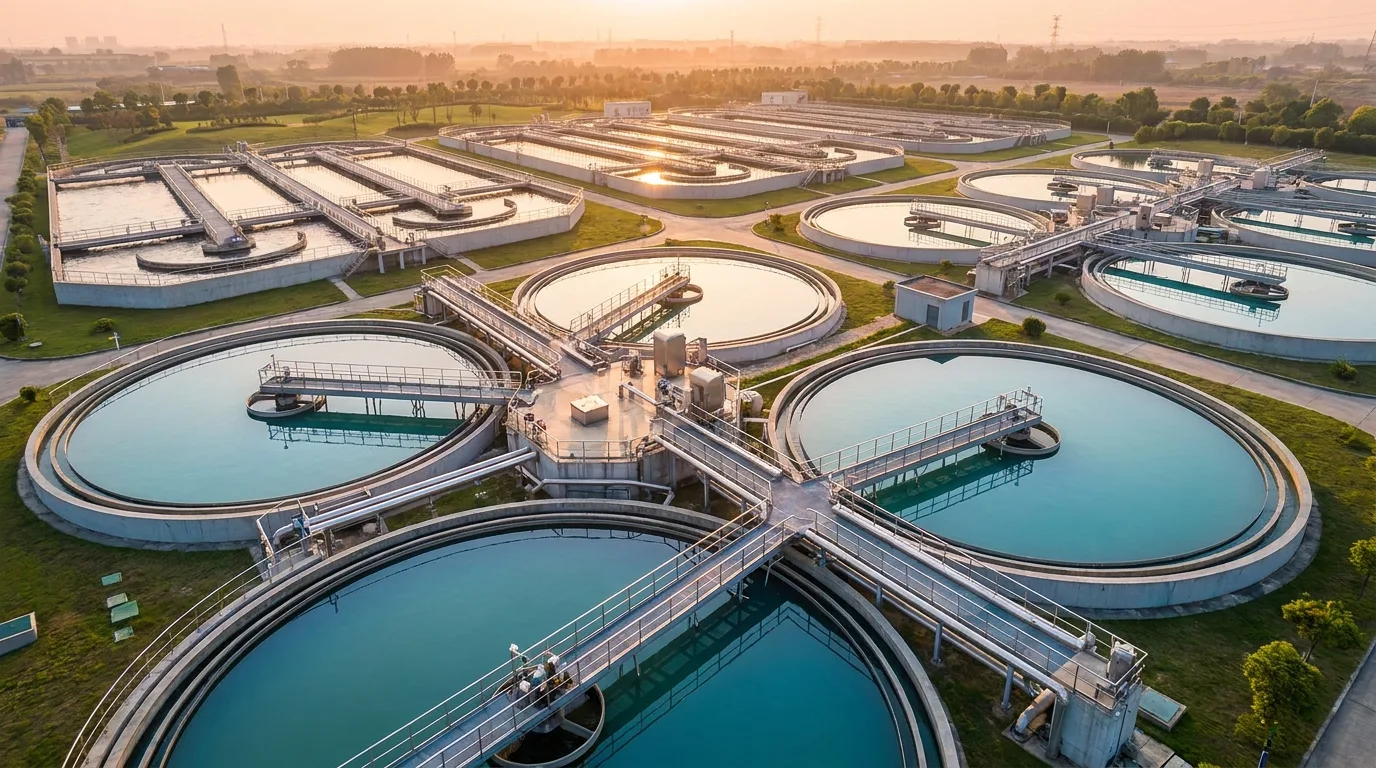
By design, a wet cooling tower rejects heat by evaporating water, which means warm water and a fine aerosol, the two conditions Legionella most likes. Add nutrients and biofilm on internal surfaces and a poorly controlled tower becomes an efficient way to generate and disperse contaminated droplets.
That is why control has to be continuous, not periodic. In critical settings the consequences extend beyond health: cooling failures are among the most common causes of significant outages, and more than half of impactful outages cost over USD 100,000.
What does compliant management involve?
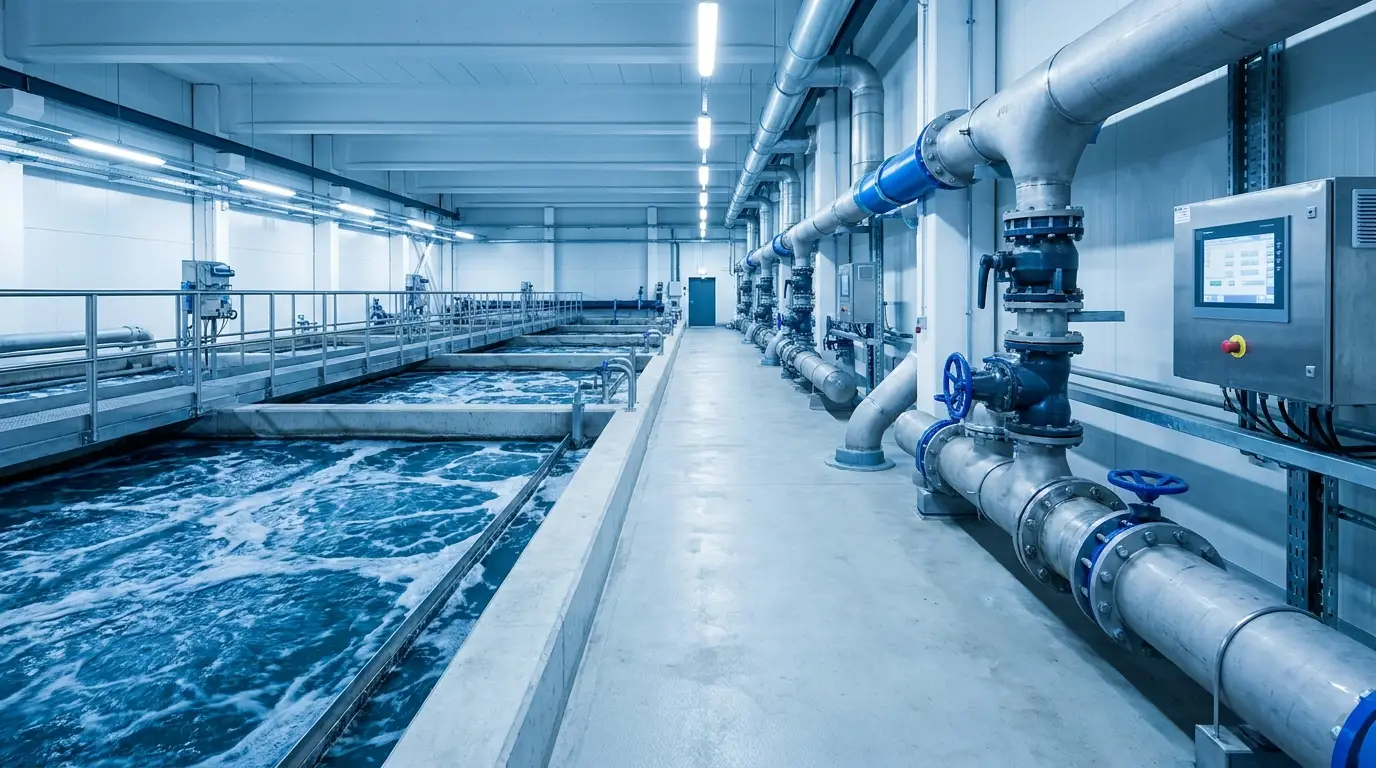
HSG274 Part 1 sets the expectations: a treatment programme that controls scale, corrosion and microbial growth, regular monitoring and sampling, drift eliminators kept in good condition, routine inspection and cleaning, competent oversight, and full records. The aim is to keep the system demonstrably under control and to be able to prove it on demand.
The discipline is the same one ACoP L8 applies everywhere: assess, control, monitor, record, review when anything changes. A lapse in any of these is what turns a managed tower into a notifiable risk.
The cost no one mentions: water and chemicals
A cooling tower also quietly draws water and chemicals all year. The water balance is simple: evaporation rejects the heat and is unavoidable, but to stop dissolved minerals concentrating, some water is dumped to drain as blow-down, and fresh make-up replaces both. The blow-down and the chemicals dosed into the loop are the part of the cost that treatment and cycles of concentration influence.
You can size this for your own tower, and see how much is the reducible blow-down and chemical share, with our cooling tower water and cost calculator.
How do you control risk and cost together?
The opportunity is that the same intervention can do both. Better water treatment that holds the system safely at higher cycles of concentration reduces blow-down and make-up water, while keeping the tower under compliant Legionella control. Cooling-tower literature puts the make-up water saving from raising cycles of concentration from three to six at around 20 percent.
The order that matters to a critical site is risk first: preserve or improve compliance and uptime, then add the quantified water and chemical saving on top. That way the cost case is made without ever putting the duty, or the uptime, at risk.