Decentralised water treatment solutions that deliver clean water where the supply cannot be relied on.
In regions where the public supply is unreliable or absent, clean, pathogen-free water has to be made on site, to the standards that clinical care and financing require.
We build reliable clean water treatment into the facility from the start, with infection control effective against resistant pathogens and energy recovered on site, so care and accreditation do not depend on a supply that may not arrive.
Validated to bring waterborne pathogens to 0 cfu/g, confirmed by a UKAS-accredited laboratory.
In short
What are decentralised water treatment solutions?
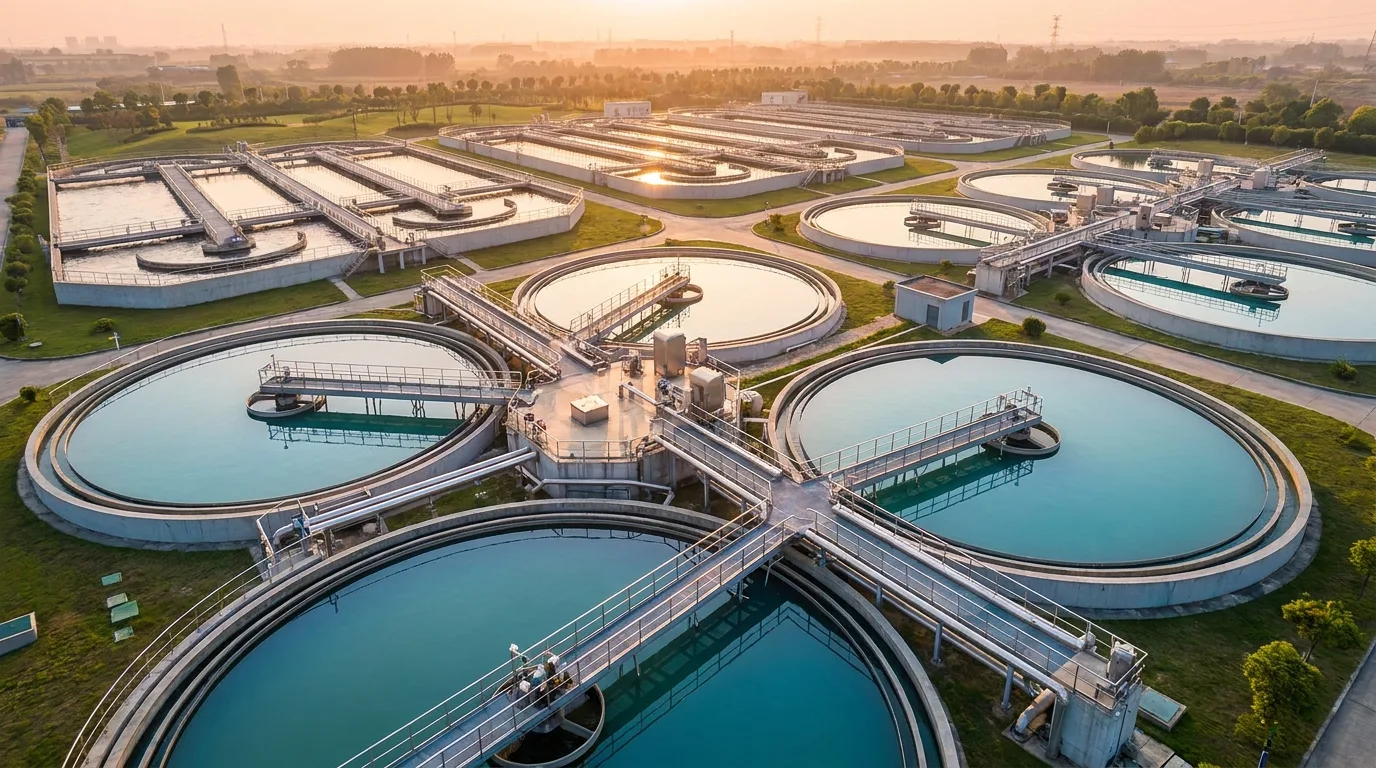
Decentralised water treatment solutions treat water on site, at or near the point of use, rather than relying on a distant central plant and its network. They deliver reliable, clean, pathogen-free water where the public supply is unreliable or absent, cutting dependence on imported water and proving every result independently.
Delivering clean water on site where the public supply cannot be relied on
Clearing biofilm and resistant pathogens conventional dosing leaves behind
Recovering and reusing water rather than depending on a distant network
Recovering energy on site to reduce dependence on an unreliable grid
Meeting the international standards that development finance is conditional on
Evidencing every result to an independent or accredited laboratory
The challenge
The supply is unreliable, the basics are missing, and finance is conditional
Across much of the world, the things clinical care and accreditation depend on, clean water and reliable power, cannot be assumed, and a distant central plant is not the answer.
The basics are often absent. Only about 51% of sub-Saharan primary facilities have basic water and sanitation, and only around a third have reliable electricity. A hospital cannot control infection or hold accreditation without them, and a central network that does not reach the site cannot deliver them.
The demand sits on top of a vast gap. Sub-Saharan Africa alone needs around 6,200 new facilities and roughly 2.5 million additional beds by 2030, against a projected shortfall of 6.1 million healthcare workers. Capacity has to be built where the supply is weakest.
Investment is conditional. Development finance is tied to standards such as the IFC Performance Standards on pollution prevention and community health, and international accreditation, the quality signal that attracts patients, is scarce across the region. Miss the standard and the funding does not follow.
How it works
Treat the water on site, to the standard, from the start
We engineer reliable clean water treatment into the facility itself rather than depending on a central plant and its network, so the result arrives where it is needed and holds.
Water is treated on site to bring waterborne pathogens down and keep them down, with biofilm cleared at source so resistant pathogens lose the environment they survive in, rather than rebounding between chemical shocks. Energy is recovered and generated on site to reduce dependence on an unreliable grid, so treatment and clinical spaces keep running.
Every result is verified by an independent or accredited laboratory, and the facility is built to the international standards that financing and accreditation require, with one accountable partner carrying both the technical and the local delivery. So it stands up to an accreditation review, a financing condition or an audit.
What it delivers
Reliable water on site, evidenced and bankable
Risk
Reliable clean water on site
Water treatment validated to bring waterborne pathogens to 0 cfu/g, confirmed by a UKAS-accredited laboratory, so clinical care does not depend on an unreliable or absent public supply.
Risk
Clear biofilm at source
Independently verified removal of 99.99% of biofilm (ASTM E2799), the environment where resistant pathogens survive and distribution systems foul, cleared at source rather than masked.
Risk
Infection control that holds
Infection control effective against antimicrobial-resistant and biofilm-forming pathogens, where pathogen load is high and a reliable central supply cannot be assumed.
Cost
On-site energy, less dependence
Energy recovered and generated on site, reducing dependence on an unreliable grid and on imported water from distant sources, so treatment and wards keep running.
Obligation
Bankable to the standards
Built to the IFC Performance Standards on pollution prevention and community health that development finance requires, with a single accountable partner carrying technical and local delivery.
Obligation
Recover and reuse water
Recover and reuse treated water on site rather than depending on a distant network, reducing demand on scarce freshwater and the cost of importing water from far away.
Evidence
Validated where the supply is weakest
Independently verified, in the conditions that decide whether water can be trusted.
0 cfu/gWaterborne pathogens eliminated in four days in a major water system, confirmed by a UKAS-accredited laboratory
99.99%Of biofilm removed in independent testing (ASTM E2799), the environment where resistant pathogens survive
51%Of sub-Saharan primary facilities have basic water and sanitation, the gap on-site treatment closes
Reference sites
Results you can scrutinise
On-site water
A major water system eliminated recurring pathogens in four days
Bioload fell from 600 to 0 cfu/g across every test point after years of failed chemical dosing. Legionella, E. coli and coliforms were eliminated, confirmed by a UKAS-accredited laboratory.
Biofilm
Biofilm cleared from a water system to a 100% success rate
Over a ten-week trial, biofilm and algae were eradicated from the distribution system with zero Legionella, E. coli or coliforms detected, verified by an independent water-authority laboratory.
Bankability
Built to the standards development finance depends on
Facilities engineered to the IFC Performance Standards on pollution prevention and community health, with a single accountable partner carrying both the technical and the local delivery.
Before you commit
Reliable, sustainable, and bankable to the standards
The questions investors and ministries ask first are the right ones: will it actually deliver clean water on site, is it sustainable for us, and does it meet the standards that finance depends on?
So we build the answer into the facility. Reliable clean water treatment, infection control effective against resistant pathogens and on-site energy are engineered in from the start, not retrofitted, and a single accountable partner carries both the technical and the local delivery. Every result is verified by an independent or accredited laboratory, and the facility is built to the IFC Performance Standards that financing requires. We start with the site or the standard under the most pressure and prove the route before you commit at scale.
Every result is verified by an independent or accredited laboratory.
Questions answered
What are decentralised water treatment solutions?
They treat water on site, at or near the point of use, rather than relying on a distant central plant and its network. They deliver reliable, clean, pathogen-free water where the public supply is unreliable or absent, and the strongest also clear biofilm at source and recover energy on site.
How is decentralised treatment different from a central plant?
A central plant treats water at one large site and moves it through long networks. Decentralised treatment cleans water close to where it is used, so it can reach sites the network does not, without depending on a supply that may not arrive reliably.
Does on-site treatment work where the public supply is unreliable?
Yes. That is the point of it. Reliable clean water treatment is built into the facility so clinical care and accreditation do not depend on a public supply that may not be reliable, in a region where only about 51% of sub-Saharan primary facilities have basic water and sanitation.
Is the infection control effective against resistant pathogens?
Yes. It is effective against antimicrobial-resistant and biofilm-forming pathogens, with independently verified removal of 99.99% of biofilm and waterborne pathogens eliminated to 0 cfu/g under accredited testing.
Can treated water be reused on site?
Yes. Treated to the right standard, water can be recovered and reused on site rather than depending on a distant network, reducing demand on scarce freshwater and the cost of importing water from far away.
Does it meet development-finance requirements?
Yes. Facilities are built to the IFC Performance Standards on pollution prevention and community health that development finance is conditional on, supporting bankability, with a single accountable partner carrying technical and local delivery.
How is every result evidenced?
Every result is verified by an independent or accredited laboratory. Waterborne pathogens were brought to 0 cfu/g under a UKAS-accredited laboratory, and biofilm and algae were eradicated over a ten-week trial verified by an independent water-authority laboratory.
Tell us the water supply gap, the infection-control goal or the financing standard you are facing. We will set out the route, in confidence, before you commit at scale.