Skip to content
HES.
Contact Us
Solutions
Clean WaterControl pathogens, biofilm and cost where conventional treatment failsAir & Infection ControlReduce airborne pathogens and infection risk, with no ozoneHand Hygiene & Infection ControlEffective hand hygiene with the alcohol risks removed, where alcohol gel is a liabilityEnergyCut energy and recover it from the systems you already runAgriculture & SoilUse less water and fertiliser while protecting yield and soil
Sectors
Healthcare & HospitalsKeep patients safe and your accreditation secure, with infection, Legionella and AMR risk reducedWater & WastewaterStay in consent, and cut the energy and chemicals it takes to get thereCommercial & FacilitiesMeet your EPC and disclosure obligations while running cost and carbon fallAgriculture & Urban FarmingProtect your yield and soil while using less water and fertiliserPoultry FarmingProve you control the water your birds drink, with biofilm and pathogens cleared and the evidence in handLocal AuthoritiesMove your estate towards net zero with compliant assets, funded to saveEmerging MarketsBuild investable, accreditation-ready infrastructure on reliable water, sanitation and powerHotels, Hospitality & LeisureKeep guests safe and pools open, with Legionella risk controlled and pool-hall cost cutData CentresCut the cost and water your cooling burns, and harden Legionella control, without touching uptimeFood & Beverage ProcessingCut your trade-effluent bill and hold consent, without touching food safety or uptimeMental HealthKeep the ward safe, with a hand-hygiene option that carries no ingestion, fire or ligature riskJustice & CustodyHand hygiene that is safe to issue inside the wing, where alcohol products are restrictedSocial CareProtect residents and carers, with hand hygiene that is safe to use and kind to skinEducationCut infection-driven absence with child-safe hand hygiene, at a defensible cost across the estate
Tools
Ask HESCase StudiesInsightsAbout
Contact Us
Agricultural Water Treatment

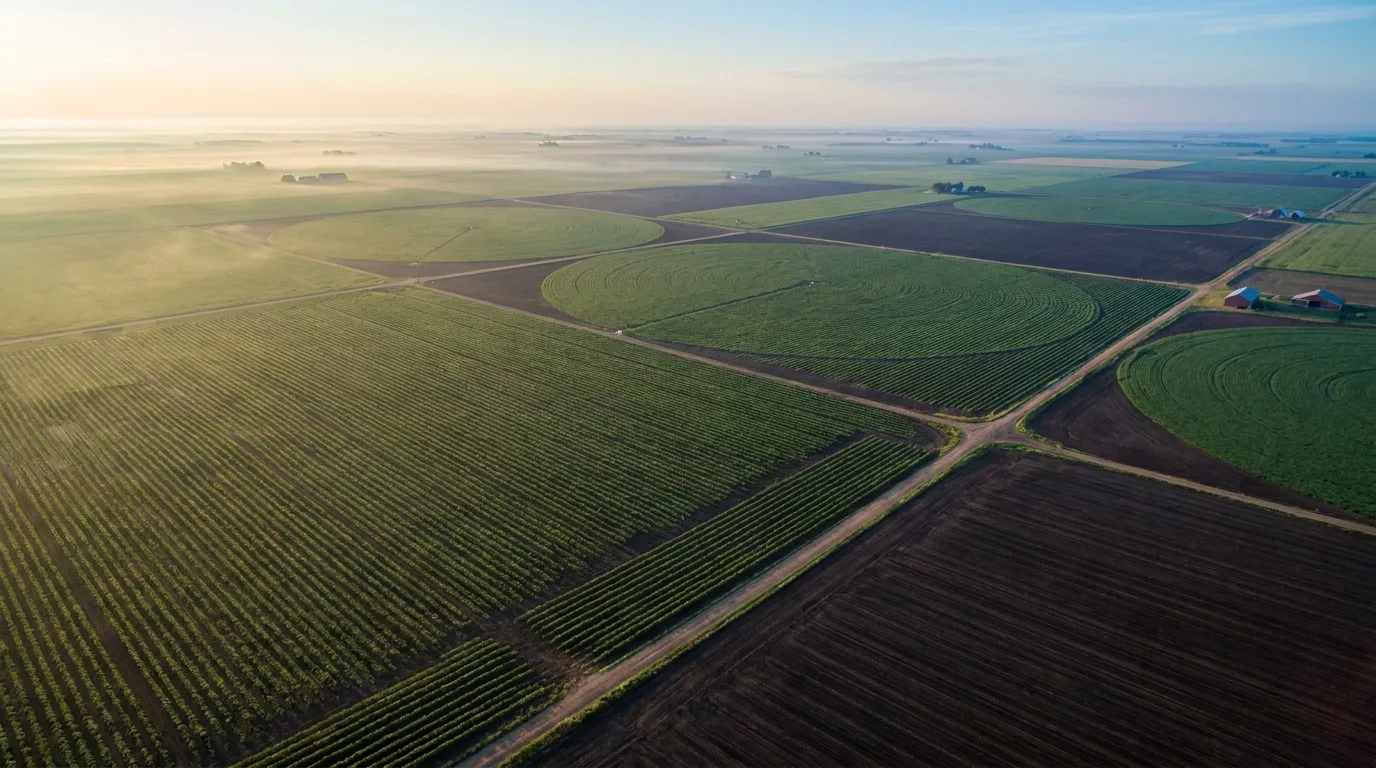
Agricultural water treatment that protects yield while you irrigate with less.

Water is becoming a hard limit on what you can grow, and the rules on how you abstract, apply and reuse it are tightening every season.

We bring the right agricultural water treatment together and deliver the result you are accountable for: cleaner irrigation water, lines kept clear of biofilm, less water used per crop, and water reused rather than wasted, with yield protected. Every result is proven in independent university and field trials before you commit.

Independent university field trials recorded around 26% less irrigation water with no loss of yield.

In short

What is agricultural water treatment?

Agricultural water treatment is the conditioning of the water a farm abstracts, stores and irrigates with, so it carries fewer pathogens and less biofouling, distributes more evenly, and can be reused safely. The strongest treatment protects yield while cutting irrigation water and supports water and nutrient obligations, with every result proven independently.

  • Improving irrigation water quality so crops take up more of every drop
  • Clearing biofilm and pathogens that clog and foul irrigation and fertigation lines
  • Conditioning controlled-environment and hydroponic water for stronger roots
  • Cutting irrigation demand against a tightening water supply and rising cost
  • Reusing and recycling farm water rather than abstracting more
  • Supporting the Farming Rules for Water, nitrate vulnerable zones and abstraction reform
The challenge

Water is running short, the lines keep fouling, and the rules on reuse keep tightening

Growers are being asked to hold yield and quality while water gets more expensive, less certain to obtain, and more tightly governed.

Water is now a hard constraint, not just a cost. The Environment Agency projects a national shortfall of around 5 billion litres a day by 2055, recent droughts cost arable farmers roughly GBP 800m in lost production, and from 2028 abstraction licences convert to environmental permits that can be reduced or revoked. The water you rely on is no longer guaranteed.

The water you do have rarely arrives clean. Biofilm and scale build up in irrigation and fertigation lines, clogging emitters, pulling distribution uniformity down and forcing harsh acid or biocide flushes. Pathogens carried in stored, reclaimed or recirculated water are the main health risk when farm water is reused, and they sit behind much of the crop loss in recirculating systems.

On top of cost and quality, the rules tighten what you can apply, abstract and reuse. The Farming Rules for Water, nitrate vulnerable zones and abstraction reform all govern how water and nutrients leave your land, so doing more with every litre is now the baseline, not the ambition.

Our approach

Treat the water, not just the symptom

We improve the quality and biology of the water itself and the efficiency of how it distributes, so the crop takes up more of every drop and the lines stay clear, without a separate system to manage.

Better-conditioned water distributes more evenly and carries more dissolved oxygen to the root zone, so the same yield needs less water and stressed or high-response crops can yield more. In controlled-environment and hydroponic systems, oxygen-rich water at the root zone drives visibly stronger root growth and holds along the drip line rather than fading down the run.

The same conditioning keeps biofilm and scale from rebuilding in irrigation and fertigation lines, protecting flow and uniformity without harsh acids or biocides, and makes stored and recirculated water safer to reuse. It works with your existing irrigation and fertigation programme rather than adding a system to run, and the results are documented in independent university and third-party field trials, not just claimed.

What you get

Cleaner water, less of it used, lines kept clear

Cost

Irrigate with less water

Cut irrigation demand through better water distribution and root-zone biology, with around 26% less water recorded in independent university trials and no loss of yield.

Cost

Keep irrigation lines clear

Hold back scale and biofouling in irrigation and fertigation lines without harsh acids or biocides, protecting flow, distribution uniformity and maintenance budgets.

Risk

Control pathogens in the water

Reduce the pathogen load carried in stored, reclaimed and recirculated water, the main health risk when farm water is reused and a primary cause of crop loss in recirculating systems.

Cost

Stronger roots in hydroponics

Lift dissolved oxygen at the root zone in controlled-environment and hydroponic systems, which roughly tripled in minutes and held along the drip line in field observation, driving visibly stronger root growth.

Obligation

Support water and nutrient rules

Lower water use and nutrient loss in line with the Farming Rules for Water, nitrate vulnerable zones and abstraction reform, with measurable, certifiable results.

Cost

Reuse farm water safely

Make stored and recirculated water cleaner and safer to reuse rather than abstracting more, protecting both your licence headroom and your input cost.

Evidence

Proven in independent university and field trials

Third-party measured, not vendor-claimed.

~26%Less irrigation water in independent university field trials, with no loss of yield (UC Davis)
$663/acreWater and energy savings per acre recorded in independent university vineyard trials (UC Davis)
0.70 to 0.95Distribution uniformity rose across an independent university vineyard trial as water was used more evenly (UC Davis)
Reference sites

Trials you can put to your agronomist

Viticulture

University research recorded higher yield with around a quarter less irrigation water

Independent UC Davis vineyard research recorded 39 to 90% higher berry yield in a drought year alongside roughly 26% less irrigation water and $663 per acre in water and energy savings, as distribution uniformity rose from 0.70 to 0.95.

Hydroponics

A Dutch hydroponic farm roughly tripled dissolved oxygen in minutes

Oxygen in the nutrient solution rose sharply within minutes of treatment and held along the drip line, producing visibly stronger root growth over three months of observation.

Line health

Cleaner water held flow and uniformity without harsh chemistry

Conditioning the irrigation water held back the scale and biofouling that clog emitters and pull distribution uniformity down, protecting flow and maintenance budgets without the harsh acids or biocides a flush would need.

Compliance

The compliance you carry

The UK environmental and safety duties that commonly reach agricultural water treatment. Open any one for what it requires, the deadlines, what is at stake, and how to evidence control. Every entry is sourced.

PWS 2016ObligationRiskDrinking water quality and private water supplies
What you must doEnsure water is wholesome and meets prescribed standards; permit risk assessment and monitoring and remediate any failure.
Applies toWater undertakers and operators of private supplies such as boreholes and springs serving rural estates, some hotels, farms and isolated facilities.
When it bitesContinuously where premises rely on a private supply; local authorities risk-assess and sample.
DeadlinesOngoing (in force since 27 June 2016)
What is at stakeLocal authorities can serve notices requiring remedial works and, where a supply is a potential danger to health, can restrict or prohibit its use.
How to evidence itCurrent risk assessment, sampling results against the standards, and a record of remedial action.
Legal basisWater Supply (Water Quality) Regulations 2016 (SI 2016/614) and the Private Water Supplies (England) Regulations 2016 (SI 2016/618). Issued by Drinking Water Inspectorate / local authorities.
Hold a wholesome, compliant supply at premises off the mains, with treatment that keeps it in standard.
WFD Regs 2017ObligationRiskWater Environment (Water Framework Directive) Regulations 2017
What you must doDo not cause deterioration of water-body status and comply with conditions, derived from River Basin Management Plan objectives, that flow through your permits and licences.
Applies toOperators whose abstraction, discharge or physical works could affect the status of a river, lake or groundwater body.
When it bitesWhen an activity could cause deterioration of water-body status; River Basin Management Plan objectives feed into permit decisions.
DeadlinesOngoing (River Basin Management Plan cycles)
What is at stakeNo standalone penalty in most cases; enforced through the permits and licences that carry the conditions.
How to evidence itPermit and licence compliance records that show no deterioration and that conditions are met.
Legal basisWater Environment (Water Framework Directive) (England and Wales) Regulations 2017 (SI 2017/407). Issued by Environment Agency / Natural Resources Wales / Defra.
Farming RulesObligationFarming Rules for Water and Nitrate Vulnerable Zones
What you must doPlan nutrient applications to crop and soil need, avoid application that risks runoff, and observe closed periods and storage rules in Nitrate Vulnerable Zones.
Applies toFarmers and land managers applying nutrients to land, especially within Nitrate Vulnerable Zones.
When it bitesOn applying organic or manufactured fertiliser, and on managing soil and runoff.
DeadlinesOngoing (continuous duty)
What is at stakeEnforced by the Environment Agency through advice, notices and prosecution.
How to evidence itNutrient management plans, soil testing, application records, and adequate slurry and manure storage.
Legal basisReduction and Prevention of Agricultural Diffuse Pollution (England) Regulations 2018 and the Nitrate Pollution Prevention Regulations (retained UK law). Issued by Environment Agency / Defra.
Protect yield and soil while using less fertiliser, and keep nutrient runoff within the rules.
EPR 2016ObligationRiskCostEnvironmental Permitting (England and Wales) Regulations 2016
What you must doHold the correct permit or registered exemption and operate within its conditions, applying best available techniques where required, with records and reporting.
Applies toOperators of regulated facilities: installations, waste operations, water-discharge and groundwater activities, and certain air-emission activities.
When it bitesBefore carrying on a regulated activity, such as discharging to controlled waters or operating combustion or waste plant.
DeadlinesOngoing (permit precedes the activity)
What is at stakePollution offences carry unlimited fines and up to five years' imprisonment. Civil sanctions include variable monetary penalties, which became unlimited when the previous GBP 250,000 cap was removed in December 2023.
How to evidence itThe correct permit in force, monitoring to its conditions, an environmental management system, and an incident log.
Legal basisEnvironmental Permitting (England and Wales) Regulations 2016 (SI 2016/1154), as amended. Issued by Environment Agency / Natural Resources Wales / local authorities.
Stay inside permit conditions and reduce the load your processes put to water and air, lowering both risk and cost.
Oil Storage 2001ObligationRiskControl of Pollution (Oil Storage) (England) Regulations 2001
What you must doKeep oil in robust containers within secondary containment holding at least 110% of the maximum capacity, inspected and maintained to prevent leaks and water pollution.
Applies toAnyone in England storing more than 200 litres of oil, including sites with standby generators, heating oil or bulk storage.
When it bitesOn storing oil above the 200-litre threshold in tanks, drums or mobile bowsers.
DeadlinesOngoing (in force since 1 March 2002)
What is at stakeEnforced by the Environment Agency through remedial notices, civil sanctions and prosecution, with offences punishable by fine.
How to evidence itCompliant bunding, inspection records, and a maintained pollution-prevention plan.
Legal basisControl of Pollution (Oil Storage) (England) Regulations 2001 (SI 2001/2954). Issued by Environment Agency.
AbstractionObligationCostWater abstraction licensing and reform (Environment Act 2021)
What you must doHold an abstraction licence, stay within its volumes and conditions, and prepare for licences to become revocable Environmental Permits by 2028.
Applies toOperators abstracting water from rivers, lakes or groundwater above the licensable threshold, including farms, food sites and large estates.
When it bitesOn abstracting above the threshold; licences are converting to revocable Environmental Permits.
DeadlinesPermit conversion by 2028
What is at stakeEnforced by the Environment Agency, with the prospect of tighter or revoked entitlements in stressed catchments.
How to evidence itMetered abstraction within licensed volumes, and a plan to reduce reliance where catchments are under pressure.
Legal basisWater Resources Act 1991 abstraction licensing, reformed under the Environment Act 2021. Issued by Environment Agency / UK Government.
Do more with less abstracted water, protecting both your entitlement and your running cost as catchments tighten.
Reservoirs ActObligationRiskReservoirs Act 1975 (reservoir safety)
What you must doRegister the reservoir, appoint qualified panel engineers to inspect and supervise it, maintain and inspect the structure, and hold an on-site emergency flood plan.
Applies toOwners and operators of large raised reservoirs holding more than 25,000 cubic metres above the surrounding land, including estates, farms, industrial sites and water companies.
When it bitesOn constructing, altering or operating a qualifying reservoir.
DeadlinesRegistration within 28 days of the final certificate; ongoing inspection
What is at stakeOffences under the Act, such as failing to register or to appoint engineers, are punishable by fines, with the most serious offences carrying an unlimited fine.
How to evidence itRegistration on record, panel-engineer inspection reports, maintenance records and a current emergency plan.
Legal basisReservoirs Act 1975 and the Reservoirs Act 1975 (Capacity, Registration, Prescribed Forms, etc.) (England) Regulations 2013. Issued by Environment Agency.
MCPDObligationCostMedium Combustion Plant Directive and Specified Generators
What you must doHold the right permit, meet emission limits for sulphur dioxide, nitrogen oxides and dust, and monitor and report emissions.
Applies toOperators of medium combustion plant rated 1 to 50 MW thermal, including boilers, engines, CHP and standby or peaking generators.
When it bitesOn operating an in-scope plant, with permitting and emission limits phased by size and age.
DeadlinesExisting plant: 2024 for above 5 MW, 2029 for 1 to 5 MW; new plant before operation
What is at stakeEnforced under the Environmental Permitting Regulations, with unlimited fines and civil sanctions.
How to evidence itThe permit in force, emission monitoring to its limits, and maintenance records.
Legal basisMedium Combustion Plant and Specified Generator provisions of the Environmental Permitting Regulations 2016 (transposing Directive (EU) 2015/2193). Issued by Environment Agency / Natural Resources Wales.
Duty of careObligationRiskWaste duty of care, the waste hierarchy and hazardous waste
What you must doStore waste securely, transfer it only to authorised persons with the correct transfer or consignment notes, and apply the waste hierarchy of prevent, reuse, recycle, recover, dispose.
Applies toEffectively every commercial and industrial operator that produces, holds, carries or transfers controlled waste.
When it bitesContinuously, whenever waste is held or transferred; hazardous waste triggers extra duties.
DeadlinesOngoing (continuous duty)
What is at stakeBreach of the duty of care is an offence with an unlimited fine on conviction.
How to evidence itWaste transfer and consignment notes, evidence the carrier and destination are authorised, and a record of how the hierarchy is applied.
Legal basisEnvironmental Protection Act 1990, s34; the Waste (England and Wales) Regulations 2011; the Hazardous Waste (England and Wales) Regulations 2005. Issued by Environment Agency / Defra.
Simpler RecyclingObligationCostSimpler Recycling (workplace recycling reform, England)
What you must doSeparate food waste, dry mixed recycling and residual waste for collection; food waste cannot go through macerators or enzyme digesters.
Applies toAll workplaces in England, starting with those that have 10 or more employees.
When it bitesFrom 31 March 2025 for workplaces with 10 or more employees, and from 31 March 2027 for micro-firms.
Deadlines31 March 2025 (10 or more employees); 31 March 2027 (micro-firms)
What is at stakeEnforced by the Environment Agency through compliance notices, with failure to comply with a notice an offence; there is no single published penalty figure.
How to evidence itSeparate collection arrangements in place, with waste transfer documentation reflecting the streams.
Legal basisEnvironment Act 2021 waste reforms, implemented through duties on businesses under the Environmental Protection Act 1990. Issued by Defra / Environment Agency.
BNGObligationCostBiodiversity Net Gain (10% BNG)
What you must doDeliver a minimum 10% measurable gain in biodiversity through on-site habitat, off-site units or statutory credits, secured and maintained for at least 30 years, with a Biodiversity Gain Plan.
Applies toDevelopers requiring planning permission in England, with limited exemptions for very small and certain householder works.
When it bitesOn most developments: from 12 February 2024 for major sites and 2 April 2024 for small sites.
DeadlinesMajor from 12 February 2024; small from 2 April 2024; 30-year maintenance
What is at stakeEnforced through the planning system: a non-compliant scheme can be refused, and breaches are handled by planning enforcement. There is no separate BNG penalty regime.
How to evidence itA metric-based Biodiversity Gain Plan, secured habitat or purchased units, and a 30-year management and monitoring commitment.
Legal basisEnvironment Act 2021 (Schedule 14, inserting Schedule 7A into the Town and Country Planning Act 1990) and the BNG Regulations 2024. Issued by Natural England / local planning authorities / Defra.
Nutrient neutralityObligationNutrient neutrality in protected catchments
What you must doDemonstrate the development is nutrient-neutral through on-site mitigation, nutrient credits, or a nature-restoration mechanism, before permission can be granted.
Applies toNew housing and overnight-accommodation development in catchments draining to protected habitats in unfavourable condition due to nitrogen or phosphorus.
When it bitesWhen development in an affected catchment could add nutrients to an already-damaged protected site.
DeadlinesOngoing (advice covering numerous catchments since 2019 and 2022)
What is at stakeNot a penalty regime: it is a planning gateway, with permission withheld until neutrality is shown.
How to evidence itA nutrient budget calculation and secured mitigation or credits accepted by the planning authority.
Legal basisConservation of Habitats and Species Regulations 2017, applied through Natural England advice and the planning system. Issued by Natural England / local planning authorities / Defra.
Check the obligations for your exact activitiesSee the full register and guides
Before you commit

Prove it on your water and your crop, before you change a thing

The first question every grower asks is the right one: will it cost me yield? Followed closely by, is it one more thing to manage?

So we answer both on your ground. The results are drawn from independent university and third-party field trials, not vendor brochures, and they protect yield while water use falls. It fits your existing irrigation and fertigation programme rather than adding a separate system, and we start with a field trial on your crop and your water so you see the outcome before you commit across the farm.

Every figure is from independent university or third-party trials.
Questions answered
What is agricultural water treatment?

It is the conditioning of the water a farm abstracts, stores and irrigates with, so it carries fewer pathogens and less biofouling, distributes more evenly and can be reused safely. The strongest treatment protects yield while cutting irrigation water and supports water and nutrient obligations, with every result proven independently.

How do you improve irrigation water quality?

By conditioning the water itself rather than only filtering at the point of use, so it distributes more evenly and carries more dissolved oxygen to the root zone. In independent university trials this cut irrigation water by around 26% with no loss of yield, as distribution uniformity rose from 0.70 to 0.95.

How do you control biofilm and pathogens in irrigation lines?

Biofilm and scale clog emitters and pull distribution uniformity down, while pathogens in stored, reclaimed or recirculated water are the main risk when water is reused. We hold back biofouling and reduce that pathogen load without harsh acids or biocides, protecting flow, uniformity and maintenance budgets.

Can farm water be reused or recycled?

Yes. Stored and recirculated water can be made cleaner and safer to reuse rather than abstracting more, which protects both your licence headroom and your input cost. The main concern with reused water is pathogens, which is why the treatment that makes reuse safe is the same conditioning that keeps lines clear.

Does it help with the Farming Rules for Water and abstraction reform?

Yes. Lower water use and reduced nutrient loss support compliance with the Farming Rules for Water, nitrate vulnerable zones and the move of abstraction licences to environmental permits by 2028, with measurable, certifiable results.

Will it cost me yield?

No. The approach protects yield while water use falls, and in independent university trials it raised yield, by a typical 10 to 25% and more in stressed or high-response crops, alongside around 26% less irrigation water.

Is the evidence independent?

Yes. The headline results come from independent university research (UC Davis) and third-party field trials and observation, not manufacturer claims.

Start with one field, one crop, one source of water

Tell us the water constraint or line-fouling problem you are facing. We will design a field trial on your crop and your water and show you the result before you commit across the farm.

Request a field trial
Speak to the Team

Tell us your challenge

Tell us the cost, the risk or the obligation you are facing. A senior member of our team will respond, in confidence, with how we would help.

Every enquiry is handled in strict confidence.