










Where does the energy actually go?
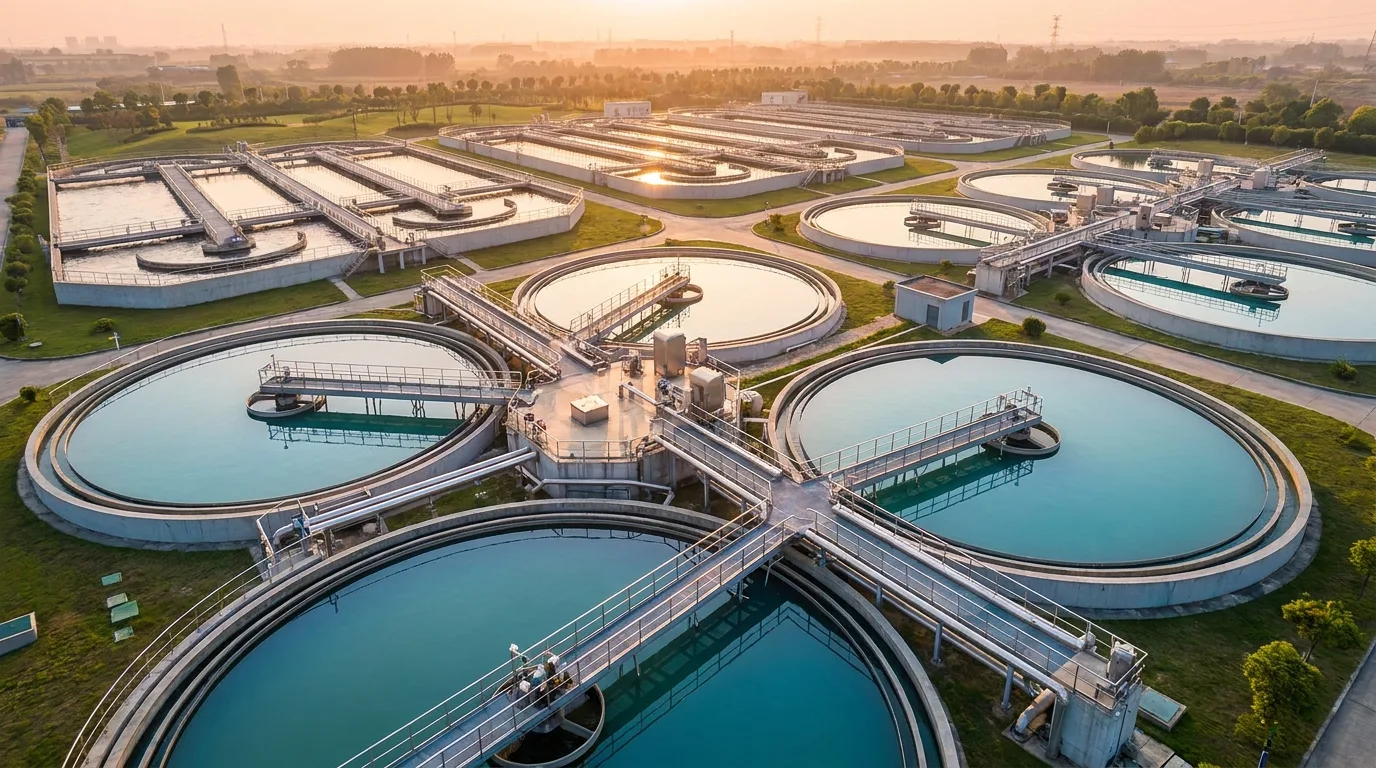
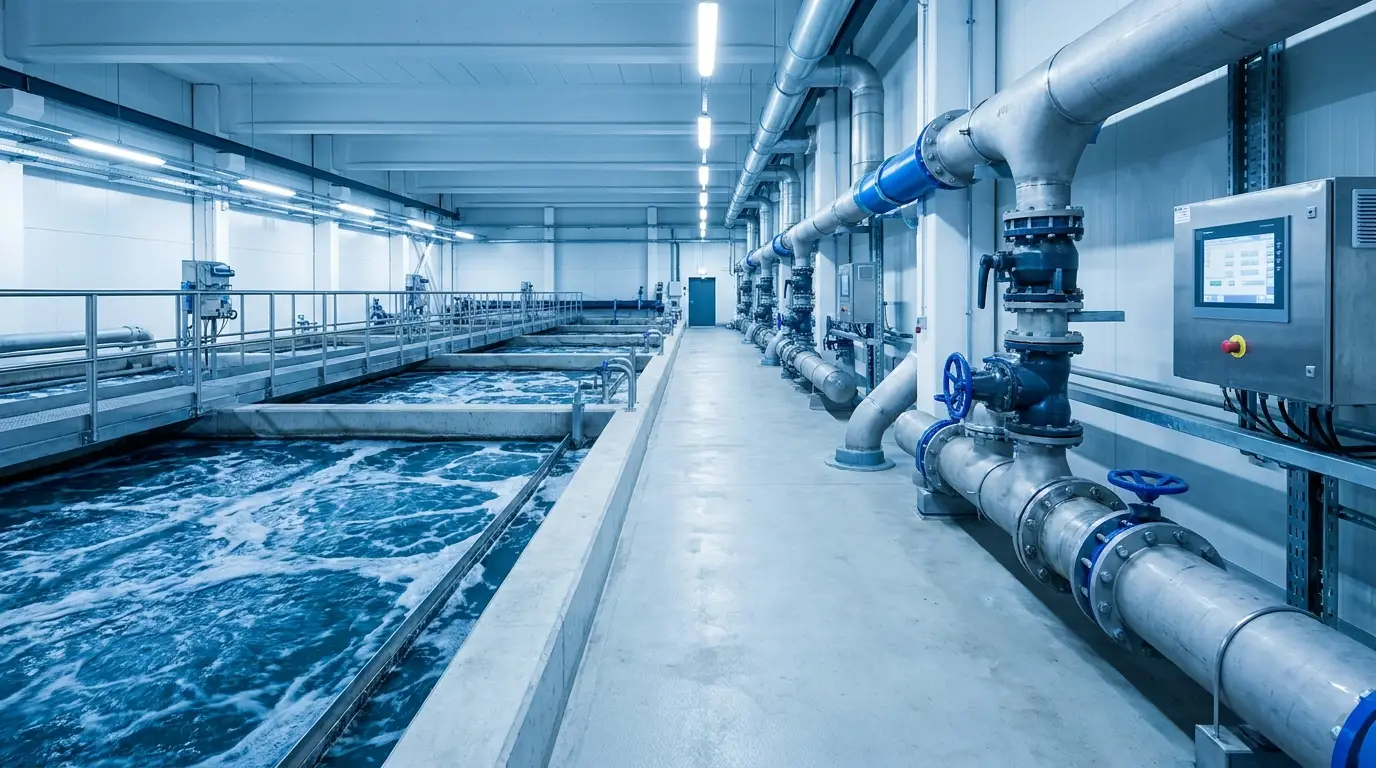
In a biological wastewater works, aeration is the single largest energy consumer, accounting for somewhere between 45 and 75% of the plant's total energy use. The blowers run more or less continuously to keep enough dissolved oxygen in the tanks for the microorganisms that break down the load.
That makes aeration the first place to look, not the last. A pound saved on aeration is worth far more than the same pound chased across smaller loads elsewhere on the site.
Why is aeration so expensive?
Two reasons. First, transferring oxygen from air into water is inherently inefficient, so a lot of energy goes into bubbles that never deliver their oxygen to the biology. Second, plants commonly over-aerate to stay safe, running more air than the load actually needs because the cost of an upset feels higher than the cost of the electricity.
Against a backdrop of high energy prices and operational net-zero targets, that combination has turned aeration from a background cost into a board-level one.
How much can be cut, and how?
There are two levers. The first is control: matching the air supplied to the oxygen actually required, in real time. Independent evidence puts the saving from control optimisation at around 25 to 40%. The second is the biology itself: if the treatment process works more efficiently, the same load can be treated with less air.
On a real, full-scale site this adds up. A municipal works serving a population of 110,000 cut the energy needed to treat its load by 34%, measured by an independent consultancy, while improving nutrient removal, and it did so with no new infrastructure. That figure comes from a four-week, benchmark-adjusted trial, and a longer continuous trial is the right way to confirm it at steady state, but the direction is clear: the energy is in the aeration, and the aeration can be cut.
Can you cut energy without new capital plant?
Often, yes. The conventional response to an energy or capacity problem is a capital civil build, more tanks, more blowers, more concrete. But a large share of the opportunity is in running the assets already in the ground better, relieving load biologically and matching air to demand, rather than expanding the works.
For an operator weighing a multi-year capital programme against an energy bill that rises every year, that is the more attractive starting point: cut the largest cost first, on the plant you already run, and keep the capital for where it is genuinely needed.