








The challenge
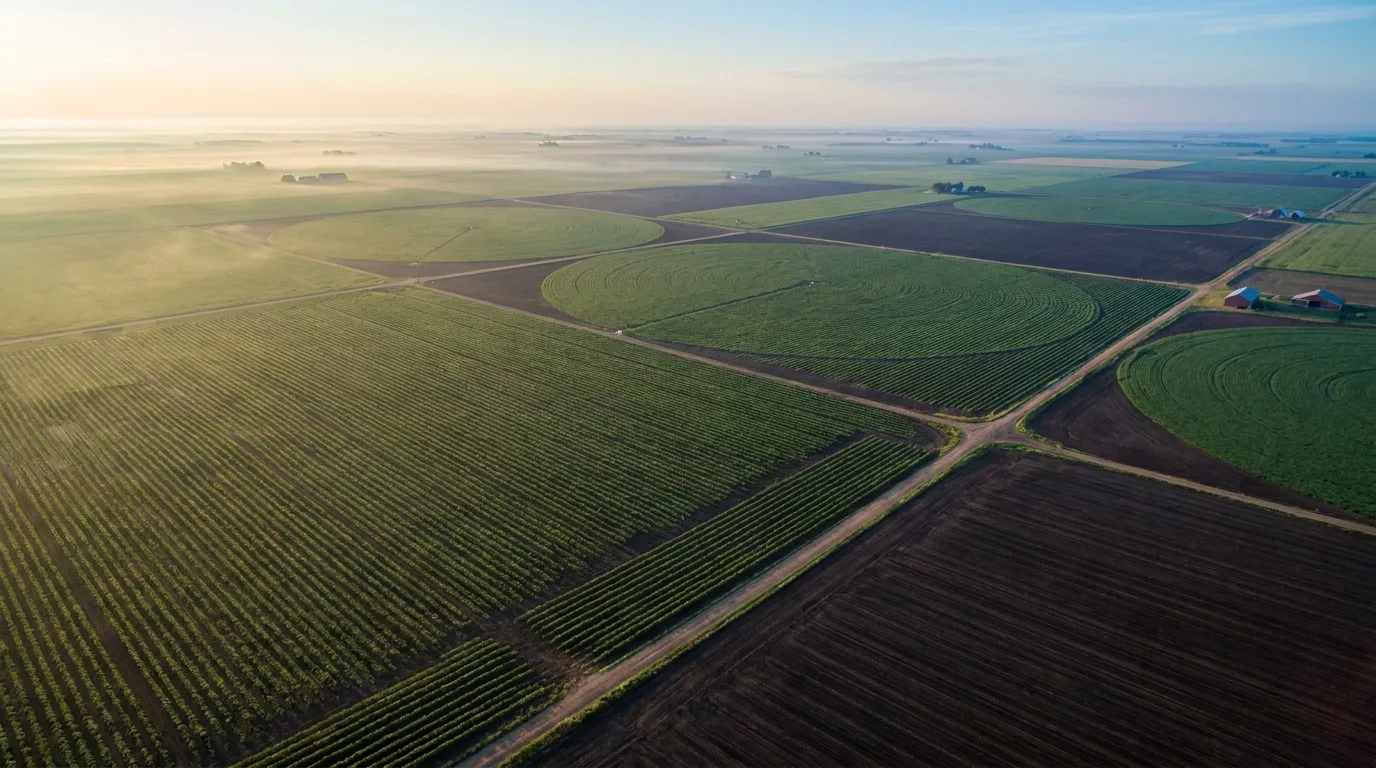
In viticulture, irrigation has to do two jobs at once: deliver water evenly across the block, and do it without fouling the emitters that carry it. Fouling and uneven distribution cost both water and yield.
A research programme at the University of California, Davis set out to measure what treating the irrigation water could do for distribution, water use and yield.
What we did
The irrigation water was treated to keep the emitters clean and improve how evenly water reached each vine. Water use, energy, distribution uniformity and yield were measured over multiple seasons.
The result
More fruit, less water and energy.
Mycorrhizal colonisation of the roots also rose sharply, by around 80% at full irrigation and 150% under deficit, which helps explain the gain in water-use efficiency.
The work was carried out as peer research at the University of California, Davis, over multiple seasons and independent of any supplier.
Why it matters
For growers, water and yield usually pull against each other. This shows they do not have to: cleaner, more evenly distributed irrigation can lift yield while using around a quarter less water. It is the input-efficiency result the agriculture sector is built around.
Tell us your challenge
Tell us the cost, the risk or the obligation you are facing. A senior member of our team will respond, in confidence, with how we would help.